April 28, 2026
Indoor air quality plays a direct role in how a building feels, functions, and supports occupant health. While HVAC systems are designed to circulate conditioned air efficiently, the ductwork itself can become a collection point for a wide range of contaminants over time. These particles often originate from both indoor activities and outdoor sources, gradually accumulating inside ducts and redistributing through the system when airflow is active.
Understanding what builds up inside ductwork helps clarify why periodic inspections and professional service from air duct cleaners are recommended. Even in well-maintained environments, particles can accumulate unnoticed. Below is a detailed breakdown of the most common contaminants found in dirty air ducts and how they impact indoor environments.
1. Dust and Debris
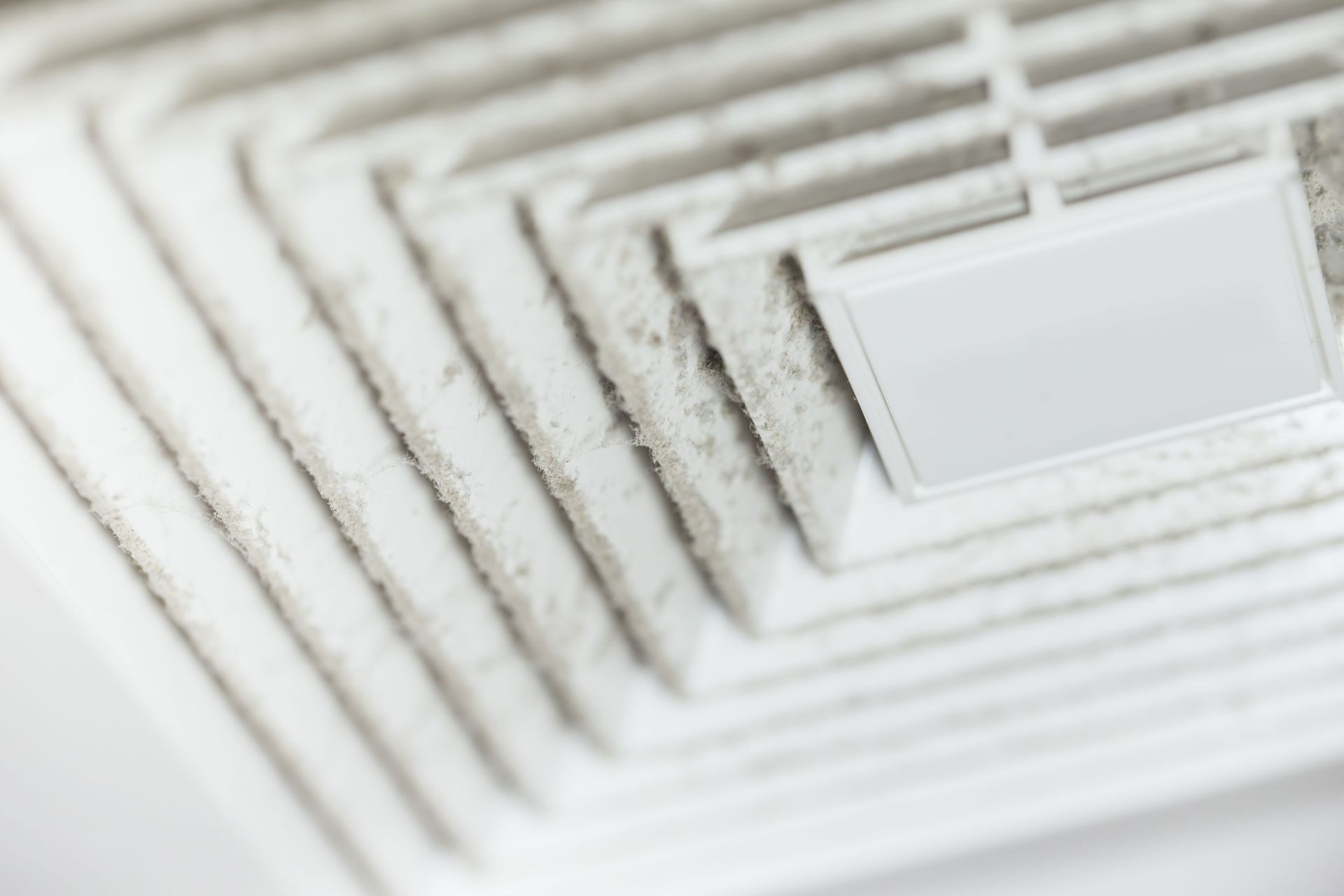
Dust is the most prevalent contaminant found in air ducts, and it forms continuously through everyday activity. It consists of microscopic particles such as skin cells, textile fibers, dirt, and other airborne materials that settle within the system. Over time, this buildup can also act as a surface layer that allows other contaminants to cling more easily within the ductwork.
As air circulates, these particles are drawn into ductwork and can accumulate along surfaces. While small amounts may remain adhered to the ducts, heavier buildup can contribute to reduced airflow and increased strain on HVAC components. Over time, this accumulation may also contribute to inconsistent air distribution and visible dust around vents, especially in high-traffic areas. In some cases, neglected buildup can gradually spread further into connected system components, reducing overall efficiency.
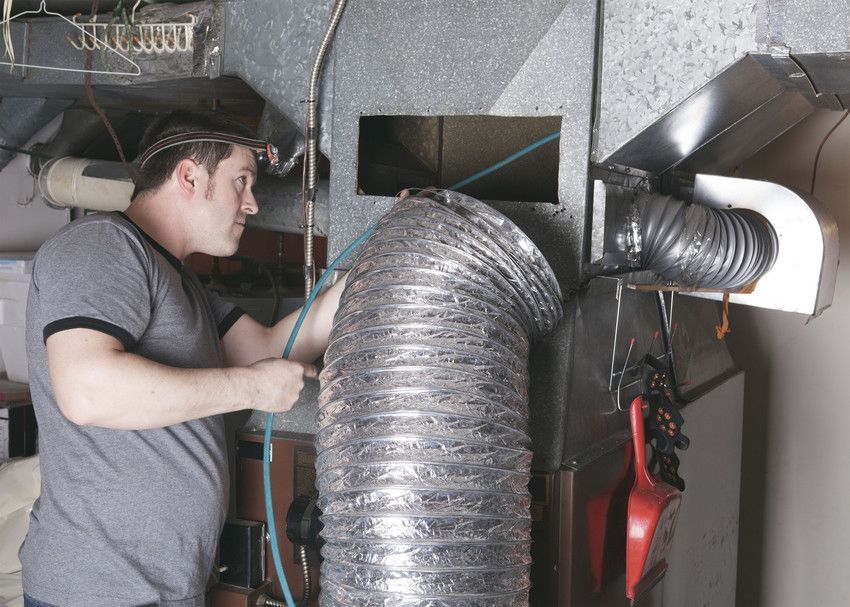
Professional air duct cleaners are often called when dust buildup becomes excessive or begins affecting system performance. According to HomeGuide, most professionals recommend cleaning air ducts every 3 to 5 years, depending on the system’s age. Professional equipment is designed to reach deep into duct systems and remove particles that standard maintenance cannot address. Their work often includes assessing how far dust has traveled beyond the visible vent areas to determine the extent of accumulation.
2. Allergens and Organic Particles
Air ducts commonly collect organic materials such as pollen, pet dander, and other allergens. These particles enter from outdoor air, occupants, and pets, then become trapped within the system. These materials often remain suspended in airflow long before settling, allowing them to spread widely throughout a space.
When the HVAC system runs, these allergens may circulate through the indoor environment, contributing to discomfort for those sensitive to airborne particles. In spaces where occupants experience frequent allergy symptoms, duct contamination is often one contributing factor that may be overlooked. Extended circulation can also intensify seasonal allergy effects indoors, even when outdoor conditions improve.
Because these materials can accumulate gradually and remain out of sight, professional evaluation by air duct cleaners is often the most reliable way to determine whether buildup is present and affecting air quality. Inspection can also help identify whether allergens are being continuously reintroduced through the system or trapped from past exposure.
3. Mold and Mildew
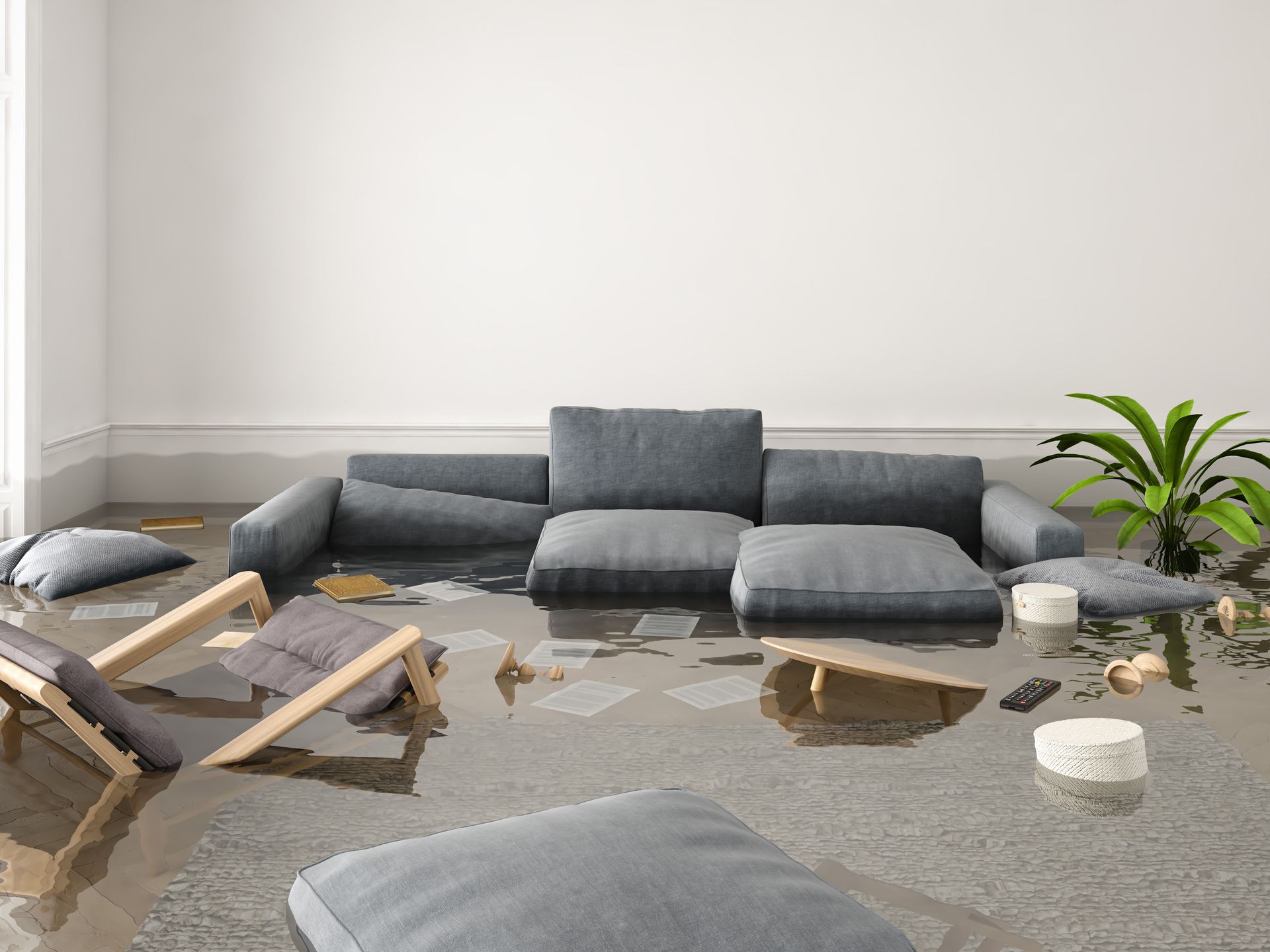
Moisture inside ductwork creates conditions that support mold and mildew growth. This typically occurs when condensation forms within the system or when humidity levels remain elevated for extended periods. Even minor moisture retention can create localized areas where growth begins to develop over time.
Mold spores can spread through airflow once growth develops, introducing biological contaminants into occupied spaces. In many cases, mold growth is not immediately visible and may require inspection by trained professionals using specialized tools. Once established, it may continue to expand if moisture sources are not addressed.
Air duct cleaners often address these situations by identifying moisture sources and removing affected materials where necessary. Since mold growth can extend beyond accessible areas, professional assessment plays a key role in addressing the issue thoroughly. Additional steps may also be required to evaluate surrounding system components for hidden contamination.
4. Bacteria and Microorganisms
In addition to mold, air ducts can contain bacteria, viruses, and other microorganisms. These contaminants may enter through outdoor air, human activity, or system moisture, then persist within duct surfaces. Warm and humid conditions inside ductwork can further support microbial persistence over time.
While not all microorganisms pose immediate concerns, their presence contributes to overall indoor air quality conditions. In environments with high occupancy or limited ventilation, microbial buildup may become more significant over time. This buildup can also interact with other contaminants, creating more complex indoor air quality challenges.
Air duct cleaners are often engaged when there are concerns about biological contamination, particularly when combined with other indicators such as odors, visible residue, or unexplained air quality issues. Their assessment often helps determine whether contamination is isolated or part of a broader system-wide issue.
5. Pest-Related Contaminants
Duct systems can occasionally become entry points or nesting areas for pests such as rodents or insects. When this occurs, contaminants may include droppings, nesting materials, and debris left behind. These materials can accumulate in hidden sections of ductwork where airflow is weaker.
These materials can affect airflow and introduce additional pollutants into the system. Pest-related contamination often requires a combination of removal, cleaning, and preventative measures to reduce recurrence and maintain system integrity. If left unaddressed, odors and particles may continue circulating even after pest activity has stopped.
Professional air duct cleaners are typically involved in these situations due to the need for proper equipment and containment during the cleaning process, along with safe handling of contaminated materials. Their approach often includes evaluating whether contamination has spread into multiple sections of the system.
6. Construction and Environmental Debris
In some cases, duct contamination originates from external factors such as construction or renovation work. Fine particles like drywall dust, insulation fibers, or other building materials can enter the system and settle within the ductwork. These particles can be especially fine and may travel deeper into the system than expected.
Environmental debris from outdoor sources may also enter through ventilation systems, particularly in areas with high levels of airborne particles or seasonal changes. These materials can accumulate quickly and contribute to airflow restrictions if left unaddressed. In some environments, repeated exposure can lead to layered buildup within duct surfaces.
Air duct cleaners are often contacted following renovation projects or environmental events to remove residual debris and restore system performance to expected levels. This process may also help prevent residual particles from recirculating long after the initial exposure.
7. Volatile Compounds and Odors
Air ducts can also retain volatile organic compounds and odors from indoor sources such as cleaning products, smoke, or cooking. These compounds may adhere to dust particles or duct surfaces, then recirculate when the system operates. Over time, these residues can become embedded within the accumulated buildup inside the system.
Over time, this can contribute to persistent indoor odors that are difficult to identify or eliminate without professional inspection. In many cases, addressing the source alone is not sufficient if residues remain within the duct system and continue to circulate. Odors may also intensify when the system first activates after periods of inactivity.
Air duct cleaners are often involved in addressing odor-related concerns by removing accumulated particles that carry these compounds and contribute to lingering smells. This process can help reduce the recurrence of odors tied to internal system contamination rather than external sources.
Contaminants that accumulate within ductwork may remain unnoticed until they begin to affect comfort or system performance. Dirty air ducts can contain a wide range of contaminants, from dust and allergens to mold, bacteria, and debris. While some buildup is inevitable over time, excessive accumulation can affect both indoor air quality and HVAC system performance.
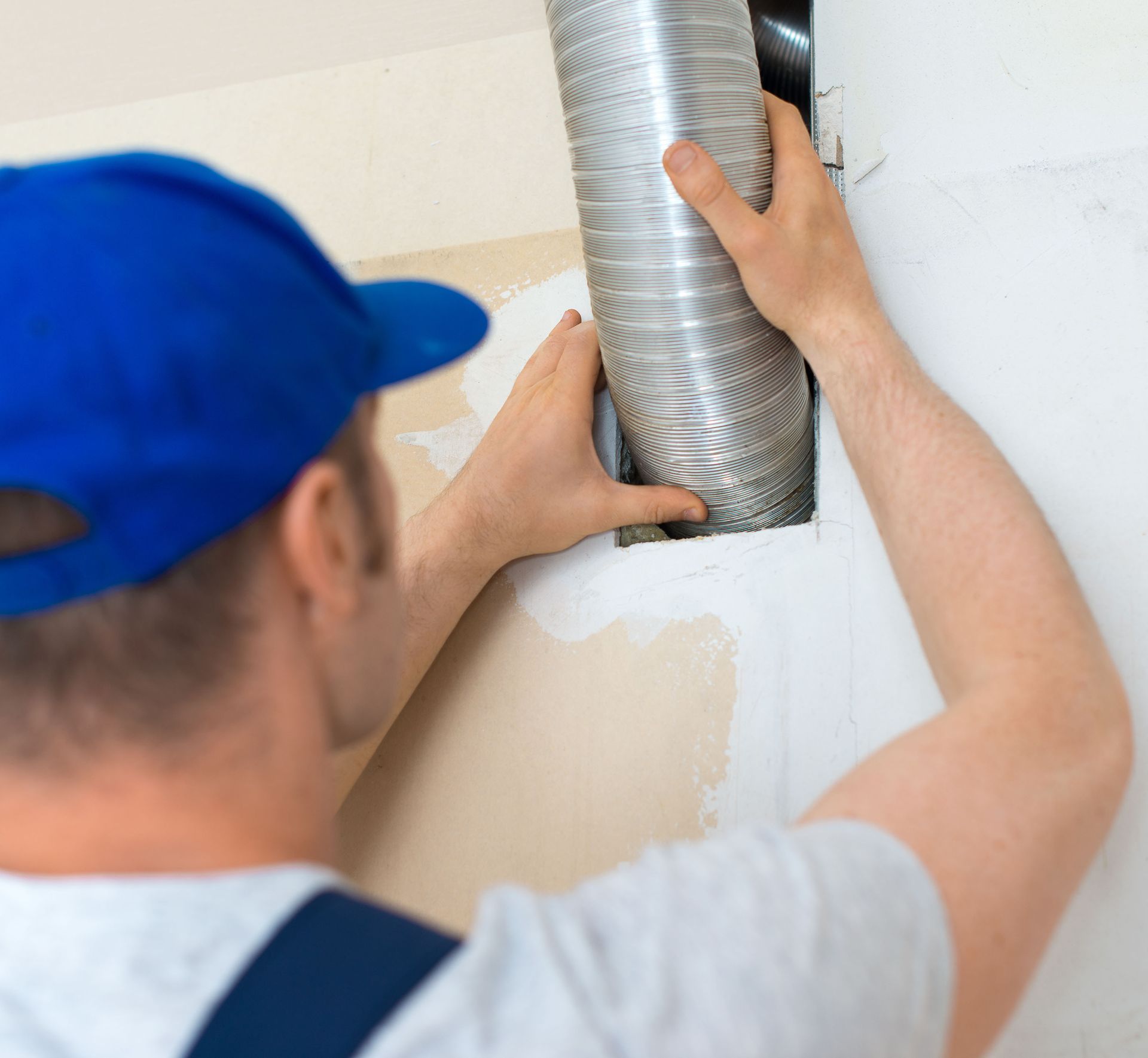
Professional inspections help identify hidden buildup and provide clarity on whether cleaning is necessary. Working with qualified air duct cleaners allows for a thorough evaluation of duct conditions and appropriate removal of contaminants when needed. For property owners seeking reliable service, Steamatic of Arkansas offers professional support from experienced air duct cleaners to help maintain cleaner, more consistent airflow throughout the system.