April 6, 2026
Asthma, a chronic respiratory condition, affects millions worldwide and can be triggered by various environmental factors. Mold, particularly prevalent in damp indoor environments, is a significant asthma trigger. Professional mold remediation offers a comprehensive solution by effectively addressing and removing these hazards from homes and buildings, improving health outcomes for those with respiratory concerns.
Understanding Mold and Its Impact on Health
Mold is a type of fungus that thrives in moist environments, and it can be found both indoors and outdoors. Common indoor molds include Aspergillus, Cladosporium, and Stachybotrys, often referred to as black mold. These molds spread through spores released into the air, which can settle on surfaces throughout a home or building. While not all molds are harmful, certain types can produce allergens and irritants. Understanding the nature of mold is crucial for recognizing its potential health impacts and implementing effective remediation strategies.
Recognizing the presence of mold, especially in indoor settings, is vital for addressing potential health issues. Molds are resilient and can thrive in a variety of conditions, especially in moist, warm environments. Indoor molds often go unnoticed as they can grow behind walls, under floors, or in basements. Early detection and identification of mold types help in tailoring specific remediation techniques. With the rise of indoor air quality concerns, understanding mold's nature is more essential than ever for maintaining healthy living spaces.
Analyzing How Mold Spores Spread
Mold spores are microscopic, making them invisible to the naked eye, yet they are constantly floating in both indoor and outdoor air. These spores can enter homes through open windows, doors, and ventilation systems. Once inside, spores latch onto surfaces and, if conditions are suitable, begin to grow colonies, leading to visible mold growth. In high concentrations, these airborne spores can trigger allergic reactions and respiratory issues. Effective mold management requires understanding how spores disperse and implementing strategies to minimize their spread within homes.
Elevated humidity levels and poor air circulation exacerbate the spread of mold spores indoors. Common practices like drying clothes indoors can increase moisture, aiding mold growth. When mold is visible, it often indicates a larger, hidden infestation elsewhere in the home. Regular monitoring of indoor humidity and proper ventilation are critical in managing spore distribution. Controlling spore spread is not only essential for preventing mold growth but also crucial for reducing potential health risks to inhabitants.
Evaluating Health Risks Associated With Mold Exposure
Mold exposure poses several health risks, particularly to those with respiratory conditions like asthma. Prolonged exposure can lead to allergic reactions, skin irritations, and more severe symptoms such as difficulty breathing and wheezing. For individuals with compromised immune systems, mold exposure can lead to infections and be particularly dangerous. Understanding the broad spectrum of health risks associated with mold helps emphasize the importance of addressing even minor infestations swiftly. Removing mold not only mitigates these risks but also enhances overall indoor air quality.
Beyond respiratory issues, mold exposure can lead to chronic conditions that require long-term management and care. Studies show a chronological progression in individuals exposed to mold, where dampness and mold at home contribute to exacerbated asthma conditions. According to data from Ruby Home, approximately 21% of asthma cases in the U.S. are attributed to exposure to mold and damp environments. As this statistic illustrates, recognizing and managing indoor mold exposure is essential for preventing adverse health effects and improving life quality for asthma sufferers.
Assessing Mold as an Asthma Trigger
For asthma sufferers, mold exposure can significantly worsen symptoms and complicate daily management routines. Mold spores, once inhaled, can irritate airways, leading to increased asthma attacks. In volatile environments, even individuals with mild asthma can experience severe reactions resulting in emergency medical attention. Mold's presence amplifies asthma symptoms, primarily due to heightened allergic responses triggered by mold spores. Understanding these allergic reactions is crucial for anyone seeking improved asthma management.
Protecting Developing Immune Systems
Children are particularly vulnerable to mold as an asthma trigger due to their developing immune systems. Prolonged exposure can lead to long-term respiratory issues, affecting a child’s overall growth and development. Parents and guardians must remain vigilant about potential sources of mold in the home and engage with professional mold remediation services promptly. By tackling mold-related asthma triggers head-on, families can reduce the frequency of asthma flare-ups and ensure healthier living environments for their children.
Identifying Mold in the Home
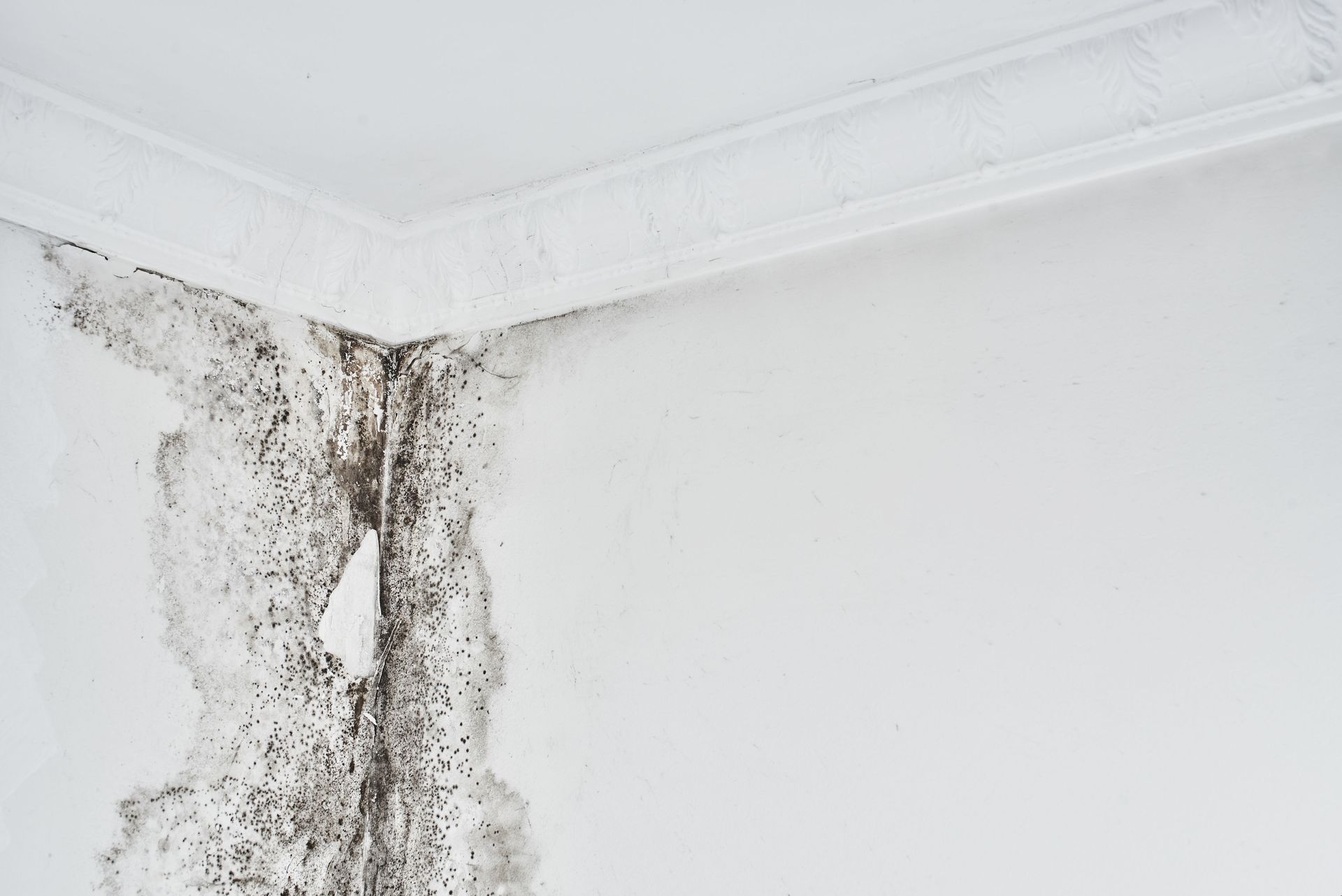
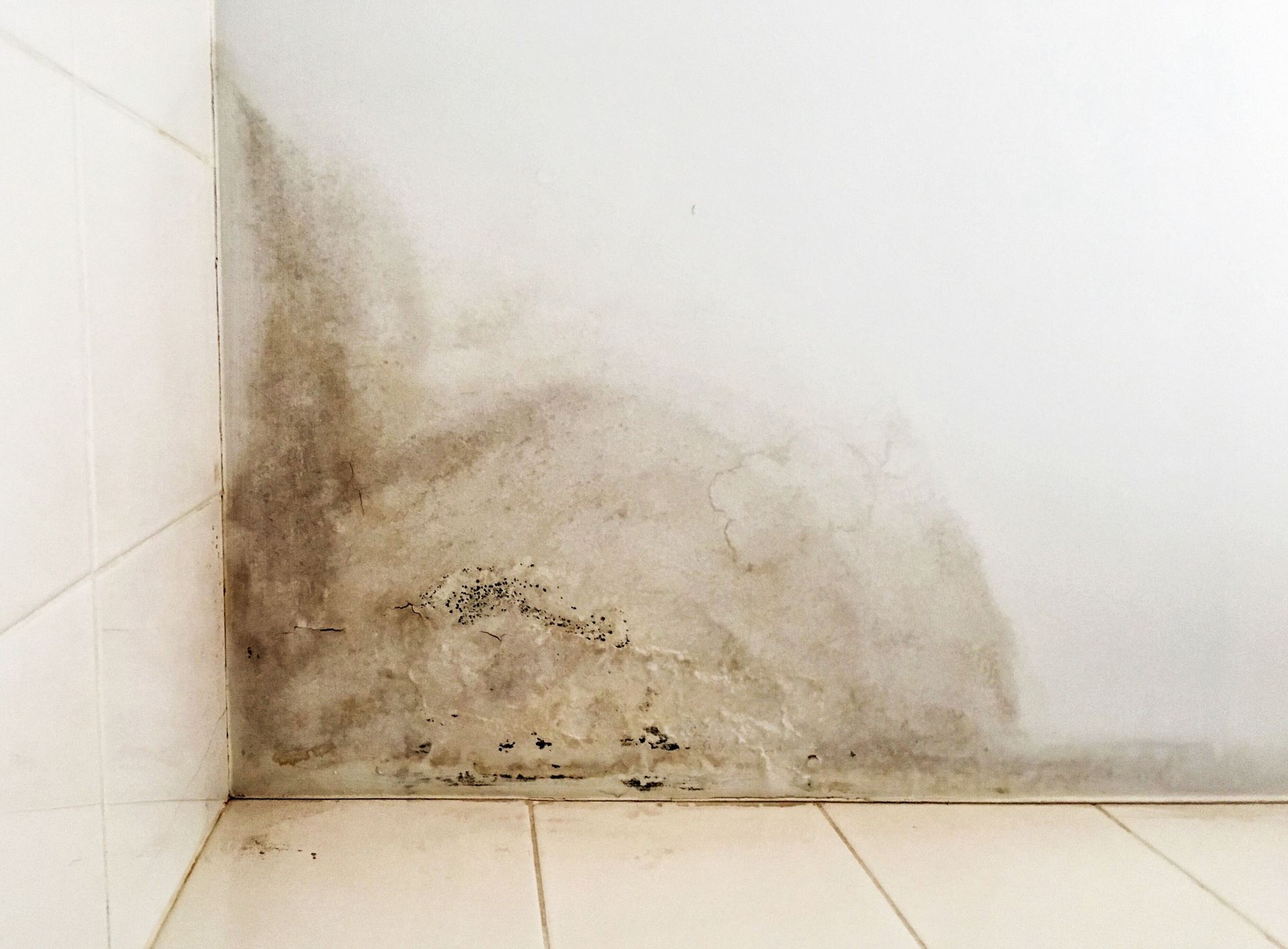
Early identification of mold is key to effective remediation and reducing health risks. Homeowners can detect mold through visible signs, such as discoloration on surfaces or a musty odor in the air. Mold may manifest as black spots on tiles, white patches on walls, or fuzzy green stains on wooden surfaces. Regular inspection of high-moisture areas like basements, bathrooms, and kitchens helps in identifying mold presence before it becomes critical. These visual cues alert homeowners to take corrective action early, reducing potential health risks and remediation costs.
Monitoring Environmental Warning Cues
Alongside visual inspections, homeowners should pay attention to environmental cues indicating possible mold presence. Condensation on windows, water stains on ceilings, and increased indoor humidity levels are all warning signs. Using moisture meters and hygrometers to monitor indoor humidity can aid in early detection. Preventive measures such as fixing leaky pipes, maintaining proper ventilation, and utilizing dehumidifiers effectively combat mold-related issues. By addressing these contributing factors, homeowners can maintain a mold-free environment and protect their health.
Implementing the Scientific Process of Restoration
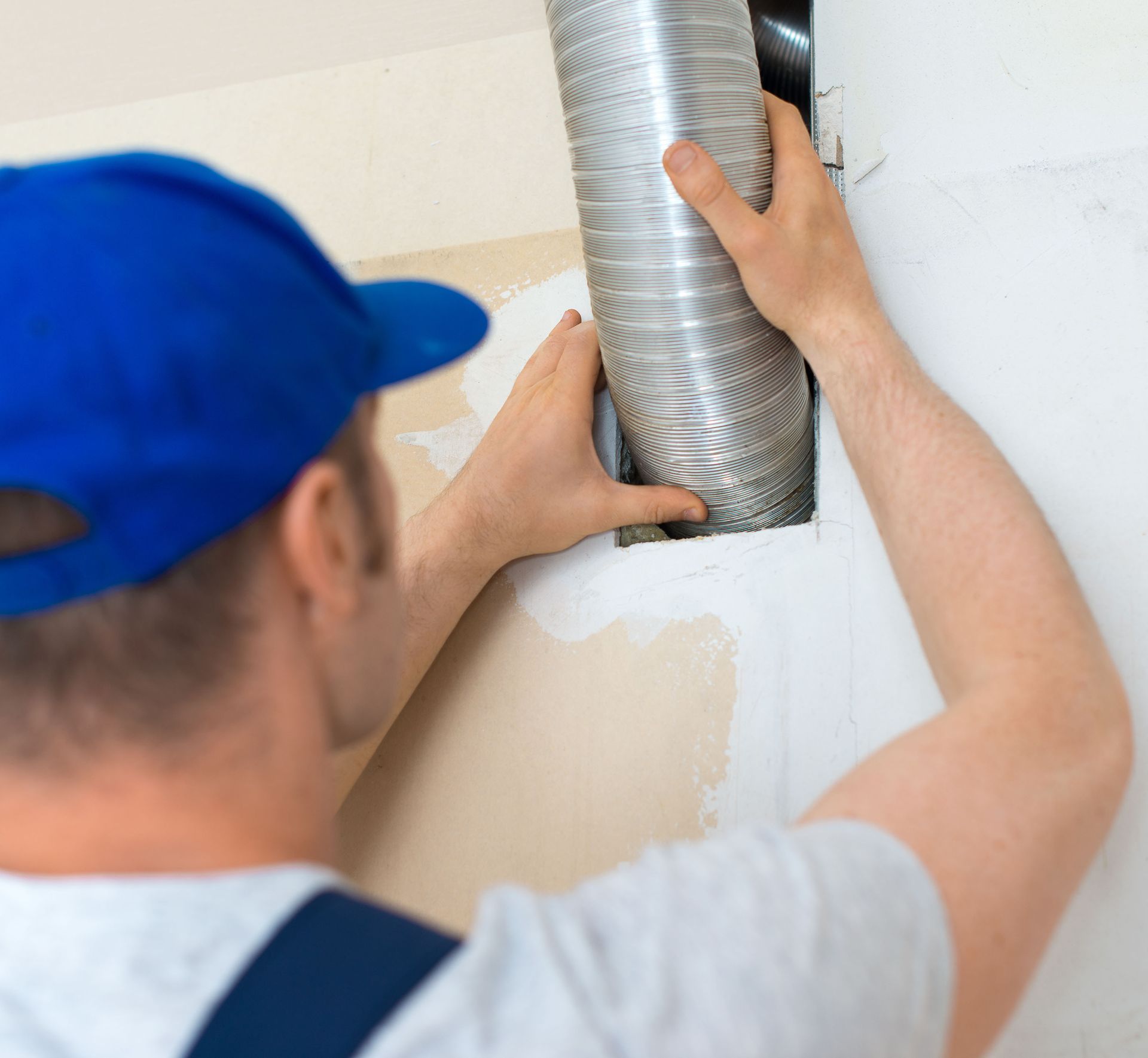
Effective mold remediation begins with a thorough inspection and assessment conducted by trained professionals. This initial step involves identifying mold presence, determining the type, and understanding the extent of the infestation. Professionals utilize advanced equipment, such as moisture meters and hygrometers, to detect mold in areas otherwise hidden from view. By assessing the underlying causes, such as water leaks or humidity issues, they can formulate a targeted remediation plan. The expertise of trained inspectors is indispensable for accurate problem identification and successful remediation outcomes.
Containing Mold Contamination
Containing mold contamination is crucial in preventing further spread and maintaining the effectiveness of remediation efforts. Professionals employ strategic containment measures, including the use of physical barriers and negative air pressure systems, to isolate affected areas. These techniques prevent spores from dispersing to uncontaminated sections of the building during remediation. By maintaining strict control over the environment, remediation experts limit the risk of cross-contamination, protecting other areas and occupants from mold exposure.
Discarding Infested Materials Safely
Once containment is established, the removal of mold-infested materials is the next critical step in remediation. This involves safely discarding items that cannot be salvaged, such as water-damaged drywall, insulation, and carpeting. Professionals execute removal following strict safety standards to avoid further contamination and environmental harm. The meticulous removal encompasses cleaning and decontaminating surfaces that can be restored, utilizing unique techniques and products. Comprehensive removal and disposal practices are fundamental in eradicating mold and preventing future infestations.
Executing Cleaning and Sanitation Procedures
Thorough cleaning and sanitation are integral components of the mold remediation process, targeting the complete elimination of mold spores. Professionals implement systematic cleaning methods, incorporating both chemical treatments and physical cleaning practices. This includes using EPA-approved disinfectants to cleanse surfaces and advanced HEPA filtration systems to clean airborne spores. Making certain that all surfaces, especially hidden and hard-to-reach areas, are sanitized is crucial for comprehensive mold removal. The use of specific cleaning products and equipment reflects the need for expertise in addressing mold contamination effectively.
Professional mold remediation serves as an indispensable tool in the realm of respiratory health, facilitating the enhancement and preservation of indoor environments. While identifying mold is the first step, the complete eradication of spores requires scientific precision and proper equipment. By addressing the root cause of moisture and removing contaminated materials, these services provide a foundation for long-term respiratory relief.
The myriad benefits of these practices underscore their necessity in crafting thriving, sustainable living spaces. If you suspect mold is impacting the air quality of your home or exacerbating asthma symptoms, contact Steamatic Of Arkansas today. Our team provides comprehensive mold remediation to help you and your family breathe easier and enjoy a healthier home environment.