April 7, 2026
The presence of mold in a home is more than just an aesthetic issue or a minor inconvenience. Mold can cause serious health issues and significant property damage, which can massively impact home equity. This article delves into why addressing mold issues is vital for homeowners who wish to protect the value and investment in their property. By understanding the economic and health implications mold presents, homeowners can better safeguard their homes. Residential mold remediation stands as a crucial step toward maintaining a healthy, valuable living space.
Understanding Mold and Its Impact on Properties
The Definition and Types of Mold
In general, mold is a type of fungus that thrives in moist environments and reproduces through lightweight spores that travel through the air. There are thousands of mold species, but the most common type found in homes is black mold. This type of mold is infamous for its toxicity and health risks, and it requires immediate attention. Comparably, each type of mold has unique characteristics and growth requirements, making its detection and remediation vary considerably. Recognizing the type of mold is vital for implementing the right treatment strategy.
The Conditions That Favor Mold Growth
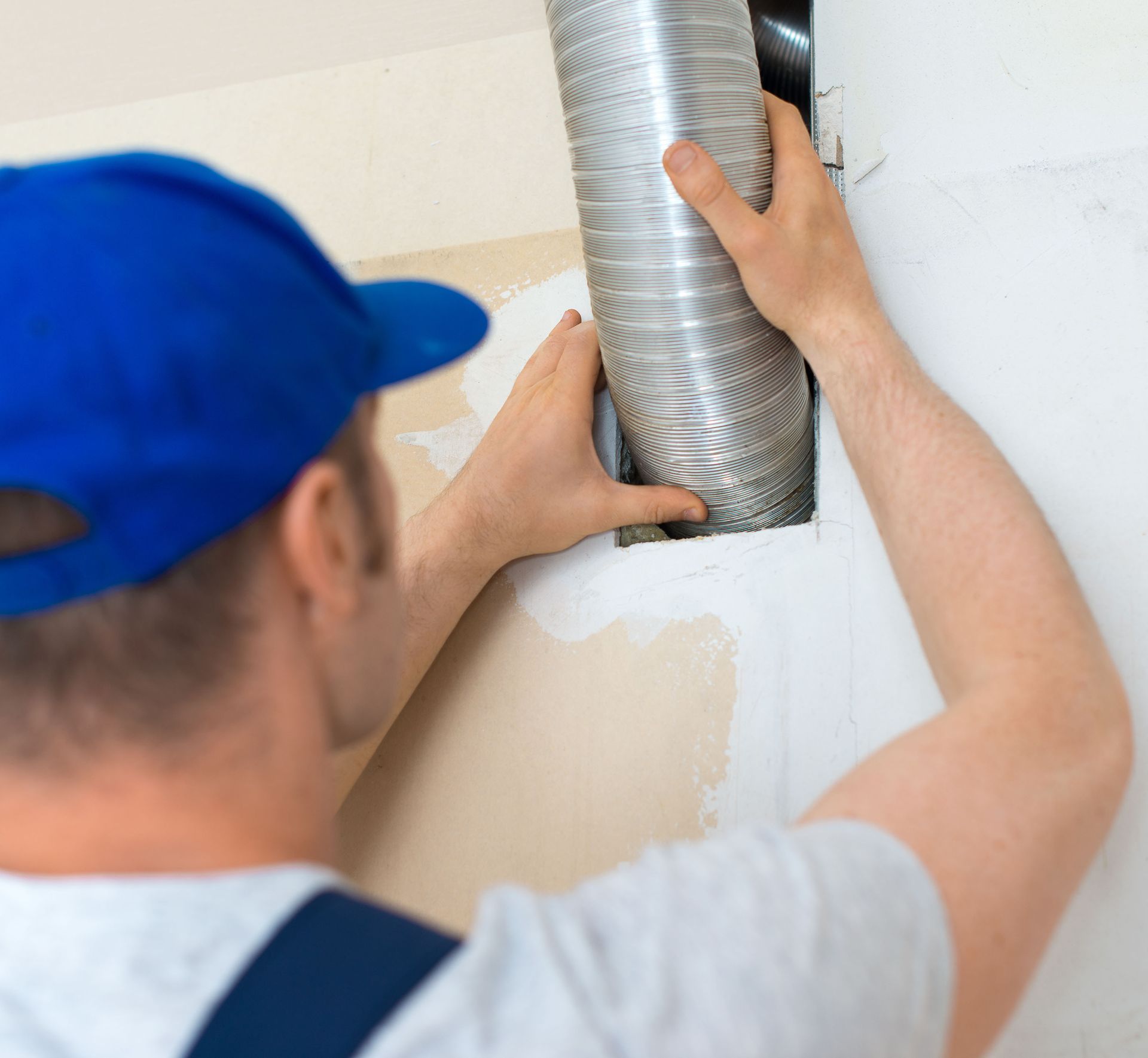
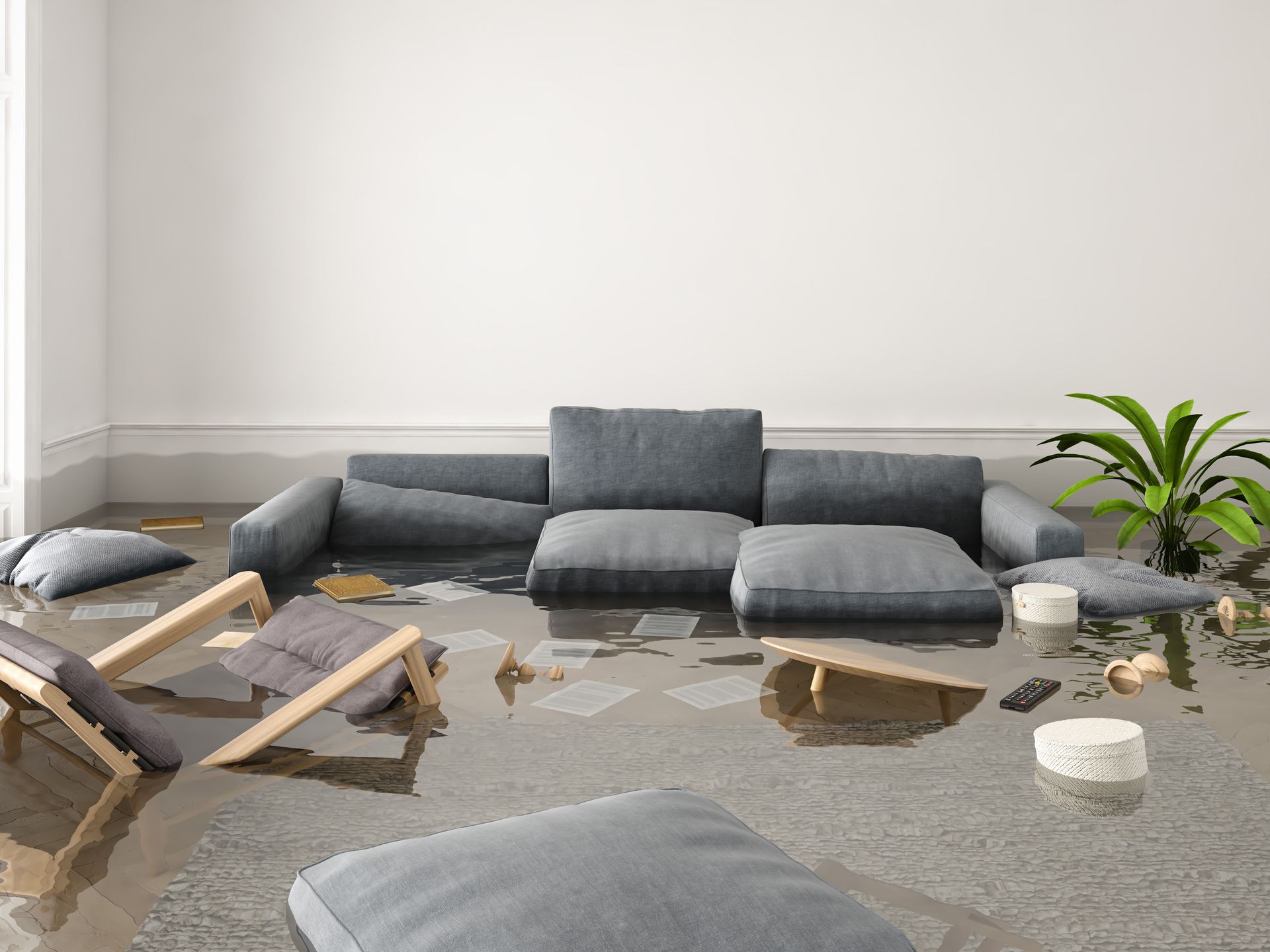
Mold thrives in environments where there is moisture, warmth, and food sources like paper, wood, and drywall. Common household issues like plumbing leaks, condensation, and poor ventilation significantly increase the risk of mold growth. Inconsistent temperatures can also contribute, as fluctuating weather patterns lead to condensation. Recognizing these conditions allows homeowners to take preventive measures to stop mold before it spreads. A proactive approach to managing these environmental factors is essential in maintaining a mold-free home.
Common Areas in Homes Affected by Mold
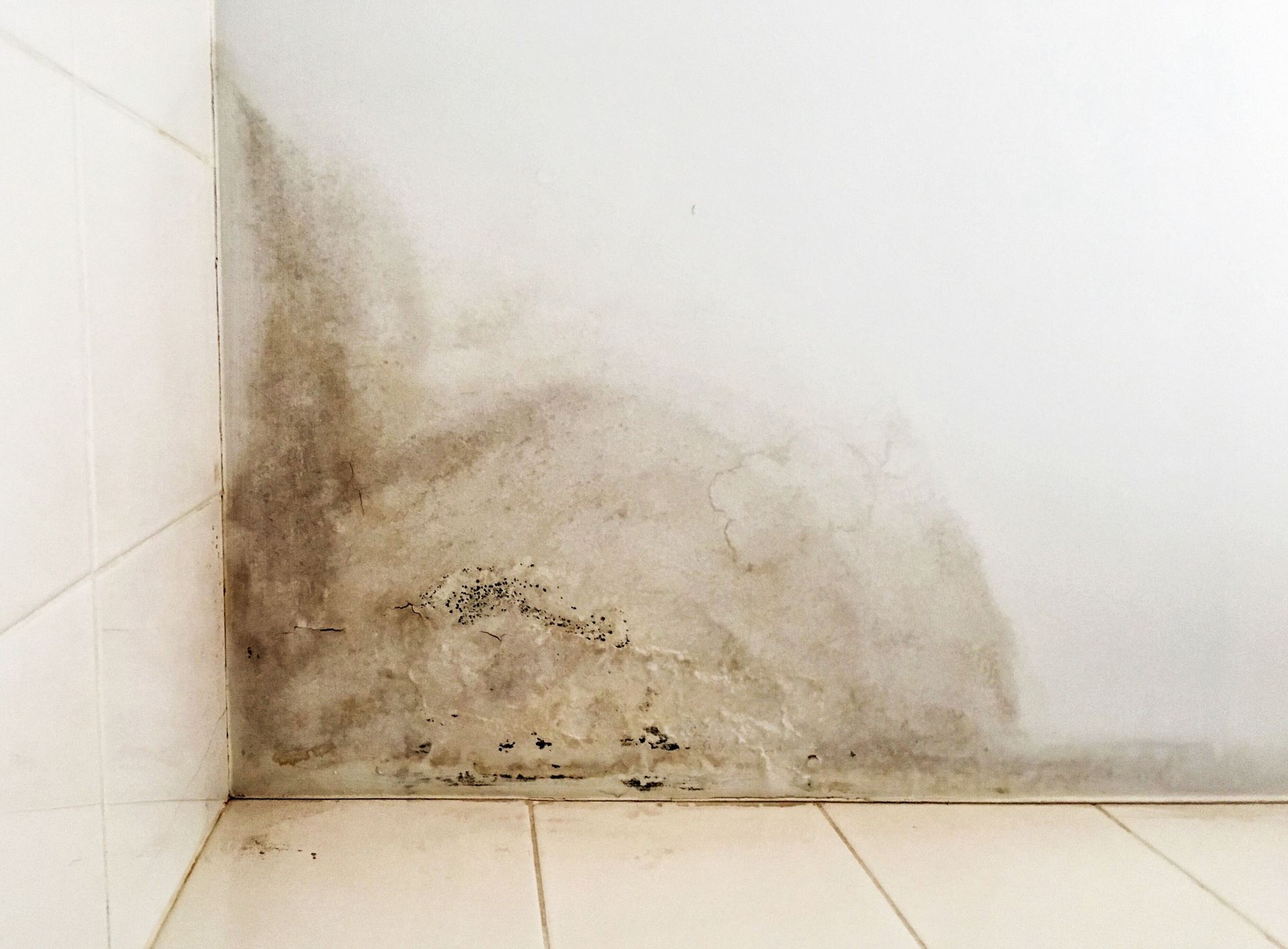
Typically, mold tends to grow in hidden areas such as basements, bathrooms, attics, and within walls. These areas frequently experience moisture and ventilation issues, creating ideal conditions for mold proliferation. Kitchens and laundry areas are also susceptible due to the frequent use of water and potential pipe leaks. Visible signs of mold, such as discoloration or a musty odor, often indicate a more serious unseen infestation. Promptly addressing water damage and leaks is crucial to preventing mold from taking hold in these vulnerable areas.
Health Risks Associated with Mold Exposure
Being exposed to mold can cause a range of health issues, from mild allergic reactions to severe respiratory problems. Individuals with asthma or weakened immune systems are particularly at risk. Symptoms of mold exposure can include coughing, skin irritation, sinus congestion, and, in rare cases, serious lung infections. The presence of mold is not just a structural concern; it poses a significant threat to the well-being of those living in the contaminated environment. Mitigating mold effectively protects both property value and the health of its inhabitants.
Recognizing the Relationship Between Mold and Home Equity
How Mold Affects Property Valuation
Mold significantly undermines a property's value, impacting both its marketability and market value. Home appraisers will account for mold issues by adjusting the property's valuation downward, sometimes making it difficult to sell at a profitable price. According to RubyHome, in severe cases, properties have been known to drop in value by up to 37% due to the presence of mold. This depreciation is a reflection of the potential costs and risks a new buyer would inherit. Thus, mold remediation is crucial for maintaining not just aesthetic appeal but also financial equity in a home.
The Difficulty of Selling Mold-Infested Homes
Houses with visible mold, or a history of mold issues, often struggle to sell. Buyers are wary of properties that might come with high mold remediation and repair costs. In real estate, first impressions are critical, and a mold-infested home sends up immediate red flags. As a result, sellers may face prolonged time on the market or be forced to accept low offers to secure a sale. Removing mold helps ensure homes are appealing to prospective buyers, facilitating smoother and potentially more lucrative sales.
Insurance and Mold Damage Coverage
Home insurance policies often have limitations on mold damage coverage, depending on its cause. Common situations like floods or poor maintenance might not be covered, leaving homeowners with substantial out-of-pocket costs. Some insurance companies might offer limited or optional mold endorsements that can be purchased separately. Understanding these coverage details is essential for financially protecting oneself from potentially expensive mold remediation and repairs. Being informed allows homeowners to make strategic decisions about additional coverage needs.
Buyers' Perception of Mold Issues
Prospective buyers often associate mold with significant future expenses and health risks. Even minor mold issues can lead to reduced offers or negotiations for decreased closing prices. A home inspection revealing mold can be enough to turn away interested parties completely. Thus, it is essential for sellers wanting to maximize their property's appeal to fully address and remediate mold problems. Ensuring a clean, mold-free environment adds considerable market value and peace of mind for buyers.
Identifying Methods and Techniques in Effective Remediation
Classifying and Assessing the Extent of Mold
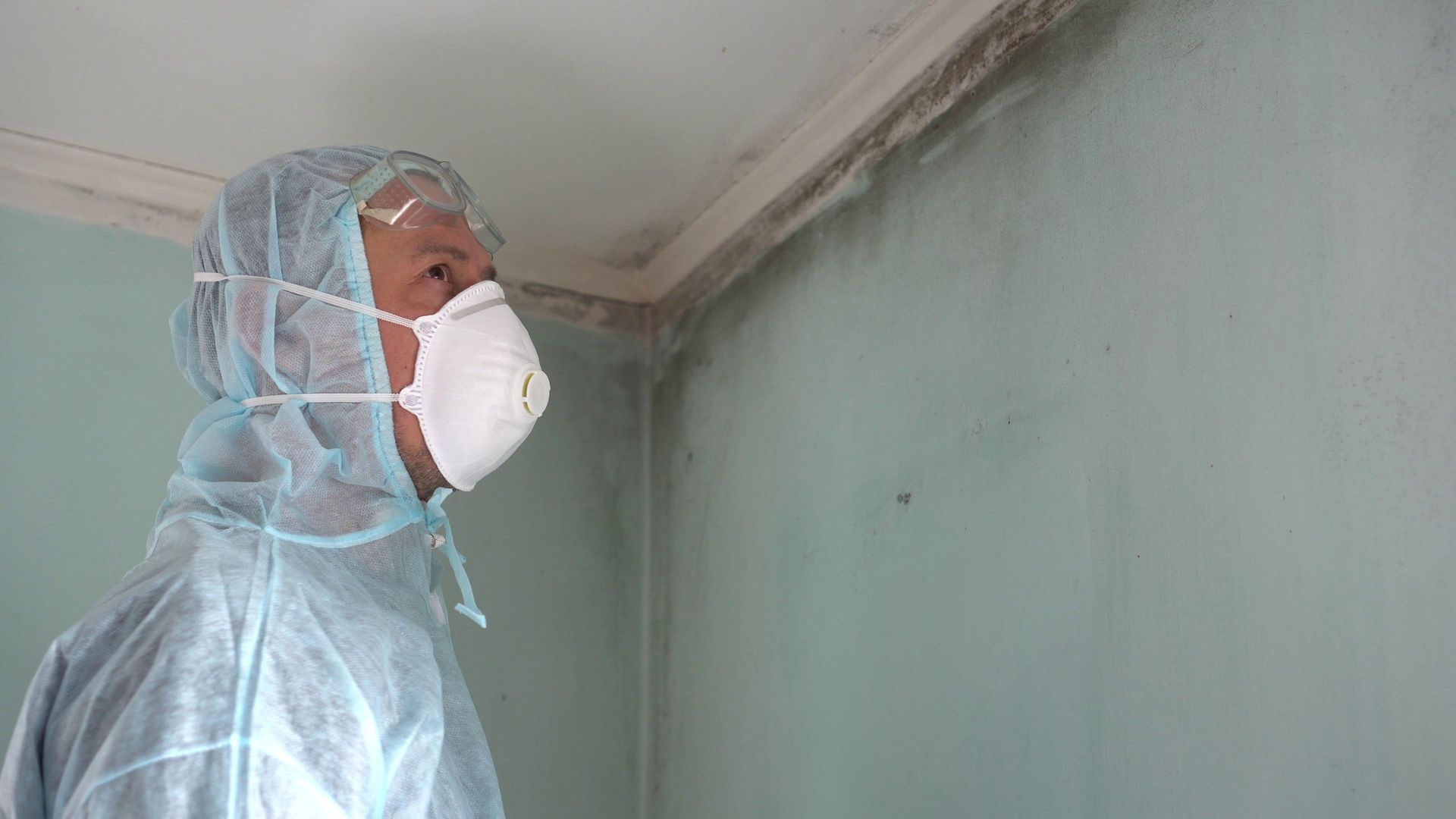
Identifying mold involves both visual inspection and testing for airborne spore counts. An early sign of mold can be a persistent musty smell or visible staining on walls and ceilings. Professional assessors use tools such as moisture meters and infrared cameras to pinpoint hidden infestations. Understanding the full extent and root cause of the problem is essential before a remediation plan is devised. Proper identification helps ensure comprehensive treatment, preventing future recurrences.
Professional Mold Removal Techniques
Professional mold remediation often involves containment, removal, and proper disposal of mold-infested materials. Specialists use industrial-grade equipment to purify the air and clean surfaces with antimicrobial treatments. This approach minimizes health risks and stops the spread of mold spores during the process. Detailed protocol ensures that the mold is thoroughly exterminated and that spores are not left to regrow in the future. Relying on professionals can provide homeowners with the assurance of a safe and secure living environment.
Use of Technology in Mold Detection and Removal
Technology plays a pivotal role in both the detection and removal of mold. Thermal imaging cameras can identify hidden moisture and mold growth behind walls. Air quality monitoring devices allow for continuous tracking and early detection of mold spores. In removal, ultra-low volume sprayers and HEPA vacuum cleaners ensure thorough decontamination. These innovations are making mold inspection and remediation more accurate and effective than ever before.
Post-Remediation Verification and Monitoring
Once remediation is complete, verification tests are essential to confirm the success of the project. Professionals conduct follow-up air quality tests and visual inspections to ensure no mold remains. Ongoing monitoring, perhaps through smart home systems, can detect returning moisture issues before mold regrows. This multilayered approach is crucial in safeguarding against future infestations. Continuous vigilance protects the integrity and value of the home following remediation efforts.
Mold remediation is indispensable in safeguarding a homeowner's investment and preserving home equity. By understanding the serious implications mold can have on health, property value, and marketability, homeowners can make informed decisions and take necessary actions to address mold issues promptly. As preventative measures and technology continue to evolve, the path to mold-free living becomes clearer, making homes safer and more valuable. Addressing mold proactively ensures the longevity and economic security of residential properties. Moreover, it helps keep the places we live in healthy and welcoming for families and future generations. For professional mold remediation services, be sure to contact Steamatic Of Arkansas!