July 30, 2026
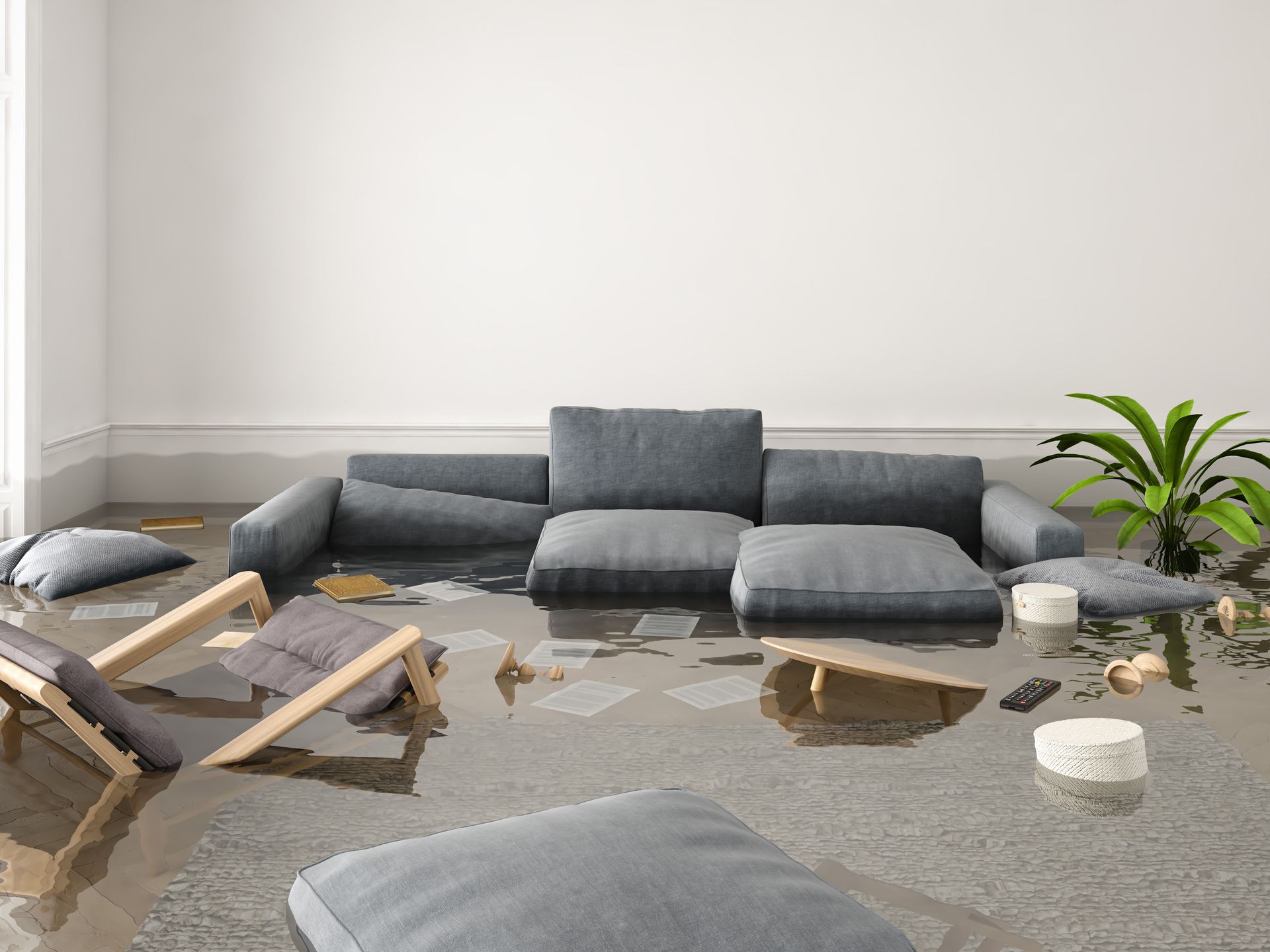
A sudden intrusion of water into a residential property is one of the most stressful emergencies a homeowner can experience. Whether caused by a ruptured plumbing line, a failing household appliance, or severe weather conditions, the presence of unwanted moisture requires immediate, decisive action. Water possesses an incredible ability to penetrate deep into the structural envelope of a building, saturating porous materials, weakening wooden framing, and threatening expensive personal belongings. Within a remarkably short period, standing water can dissolve drywall, warp hardwood flooring, and ruin delicate electronic systems. Understanding that time is the most critical variable during a property crisis allows homeowners to minimize overall structural losses and protect their long-term property investments.
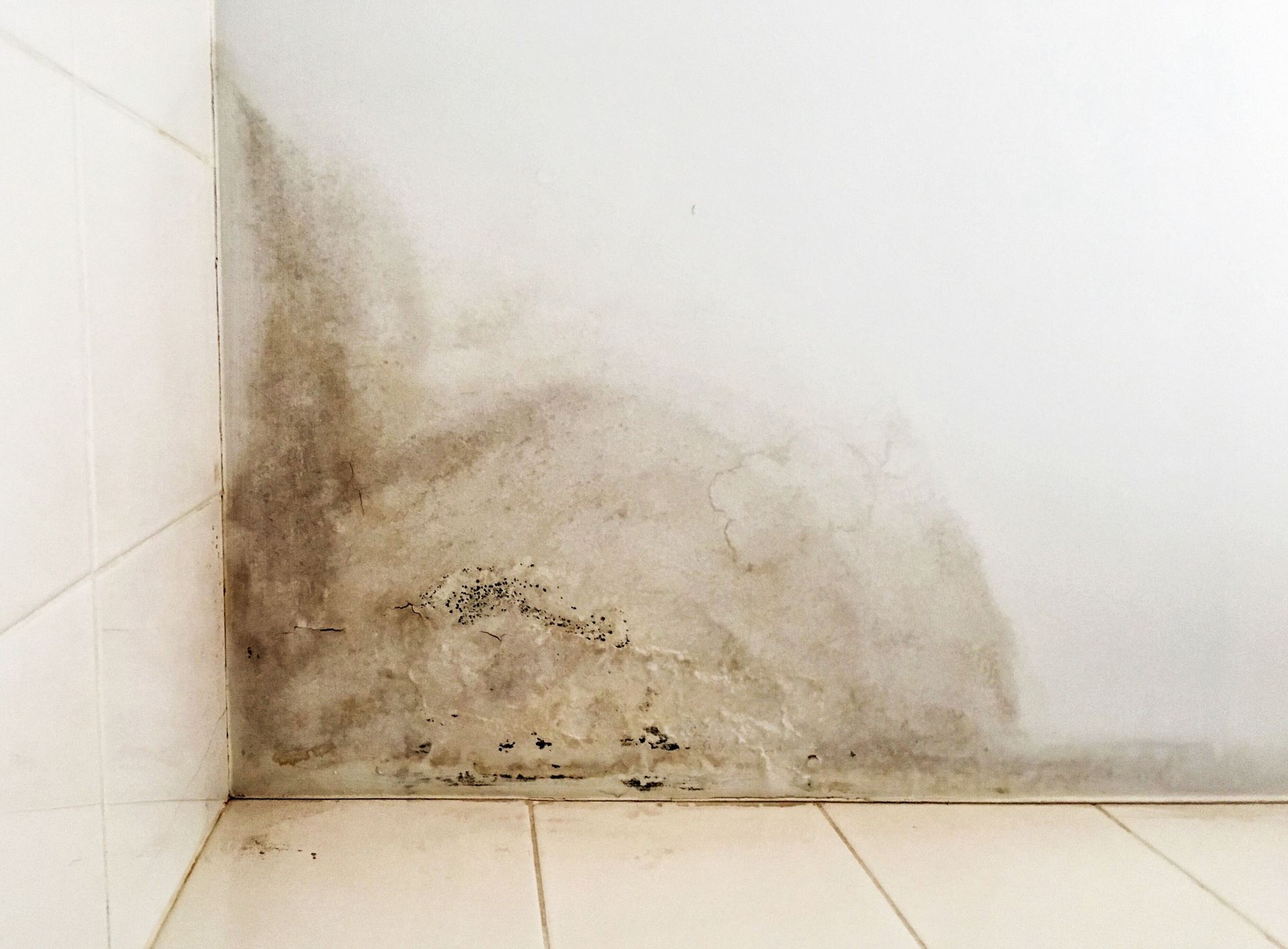
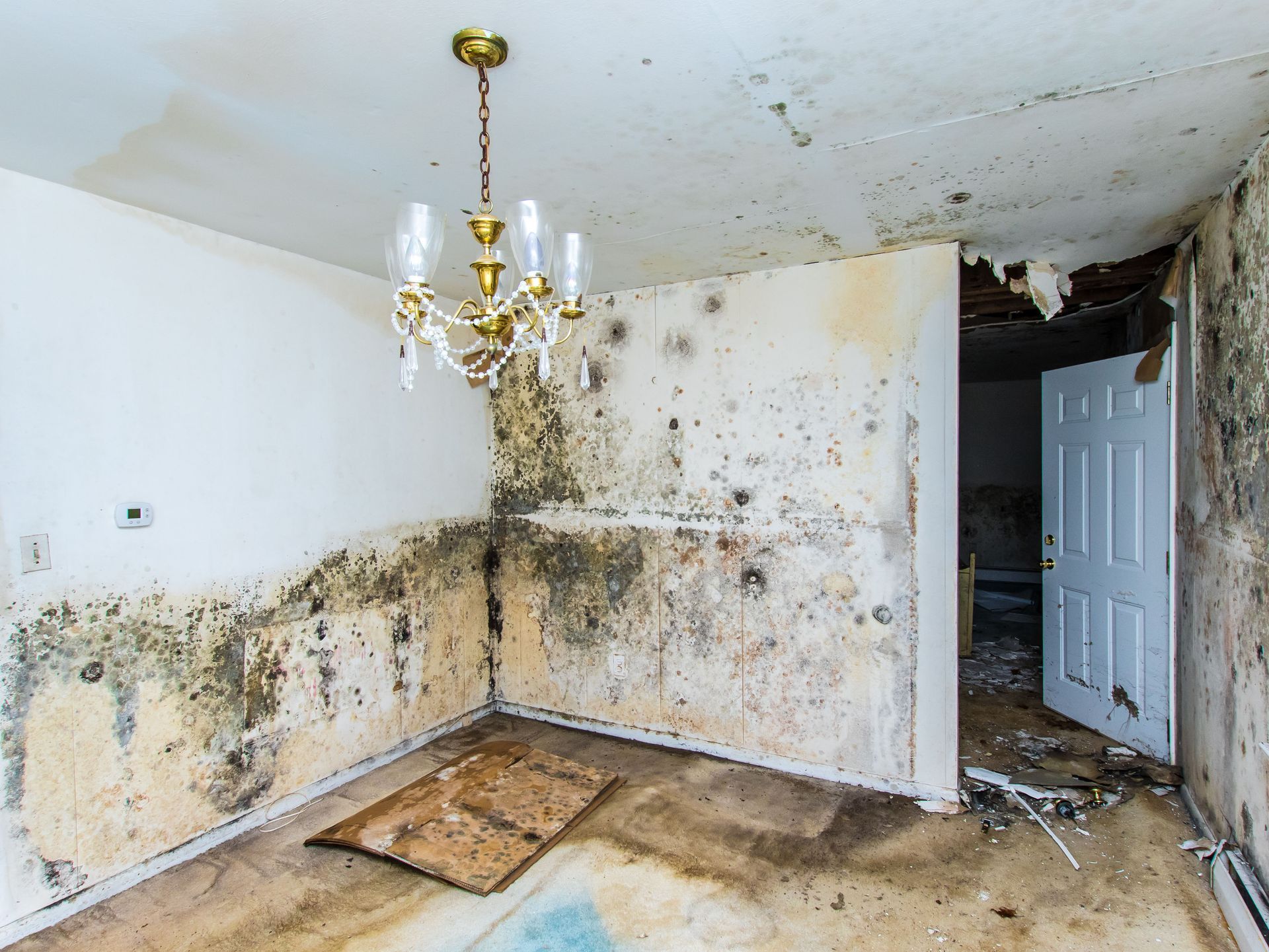
When moisture breaches the interior of a home, the degradation process begins on a microscopic scale almost immediately. Structural elements like plywood sheathing, carpeting, and baseboards act like massive sponges, drawing water upward into hidden wall cavities. If this liquid is allowed to sit unaddressed, it creates an optimal environment for structural decay and biological contamination. Securing professional emergency intervention as quickly as possible is essential for stabilizing the property and establishing a safe, controlled environment for recovery. By initiating a rapid, scientifically proven mitigation strategy, property owners can halt the spread of moisture and prevent temporary property damage from transforming into a permanent structural disaster.
Identifying Hidden Moisture Sources
The initial phase of any successful recovery operation involves completely halting the influx of water and locating every hidden pocket of moisture. Simply wiping up visible puddles on a kitchen floor is entirely insufficient when water has already migrated beneath cabinets and behind baseboards. Technicians utilize advanced diagnostic tools, including non-invasive moisture meters and infrared thermal imaging cameras, to map the exact path of the water migration without destroying pristine walls. This precise detection process ensures that no trapped moisture is overlooked, preventing lingering dampness from quietly rotting structural beams from the inside out.
Once the primary source of the leak is successfully controlled, technicians categorize the incoming water based on its potential level of contamination. Clean water from a broken supply pipe requires a different mitigation approach than unsanitary water originating from a sewer backup or outdoor storm runoff. Understanding these environmental distinctions allows professionals to deploy the precise safety equipment and containment barriers necessary to protect the rest of the household. Initiating a detailed inspection lays the groundwork for a highly targeted and efficient water damage restoration process that addresses both visible and invisible moisture threats.
Extracting Standing Water Instantly
Removing bulk standing water as quickly as possible is paramount for relieving hydrostatic pressure on flooring materials and stopping the lateral migration of moisture. Standard household shop vacuums completely lack the physical capacity and lift power required to handle large-volume extraction tasks effectively. Professionals deploy industrial-grade, truck-mounted extraction systems that can remove hundreds of gallons of water from saturated carpets and hardwood floors within a brief period. This rapid extraction phase drastically accelerates the overall recovery timeline and protects subflooring materials from deep saturation.
During this intense extraction process, specialized weighted extraction tools are systematically moved across saturated carpeting to pull water out of both the carpet fibers and the dense foam padding beneath. Removing this bulk liquid mechanically is far more efficient than relying solely on evaporation later on. According to IBISWorld, the U.S. restoration services industry employs over 115,000 workers, reflecting strong demand for skilled mitigation and cleanup professionals. This vast network of trained personnel highlights the critical importance of utilizing specialized human resources and high-powered extraction machinery to safeguard residential structures immediately following a major moisture breach.
Drying Affected Structural Materials
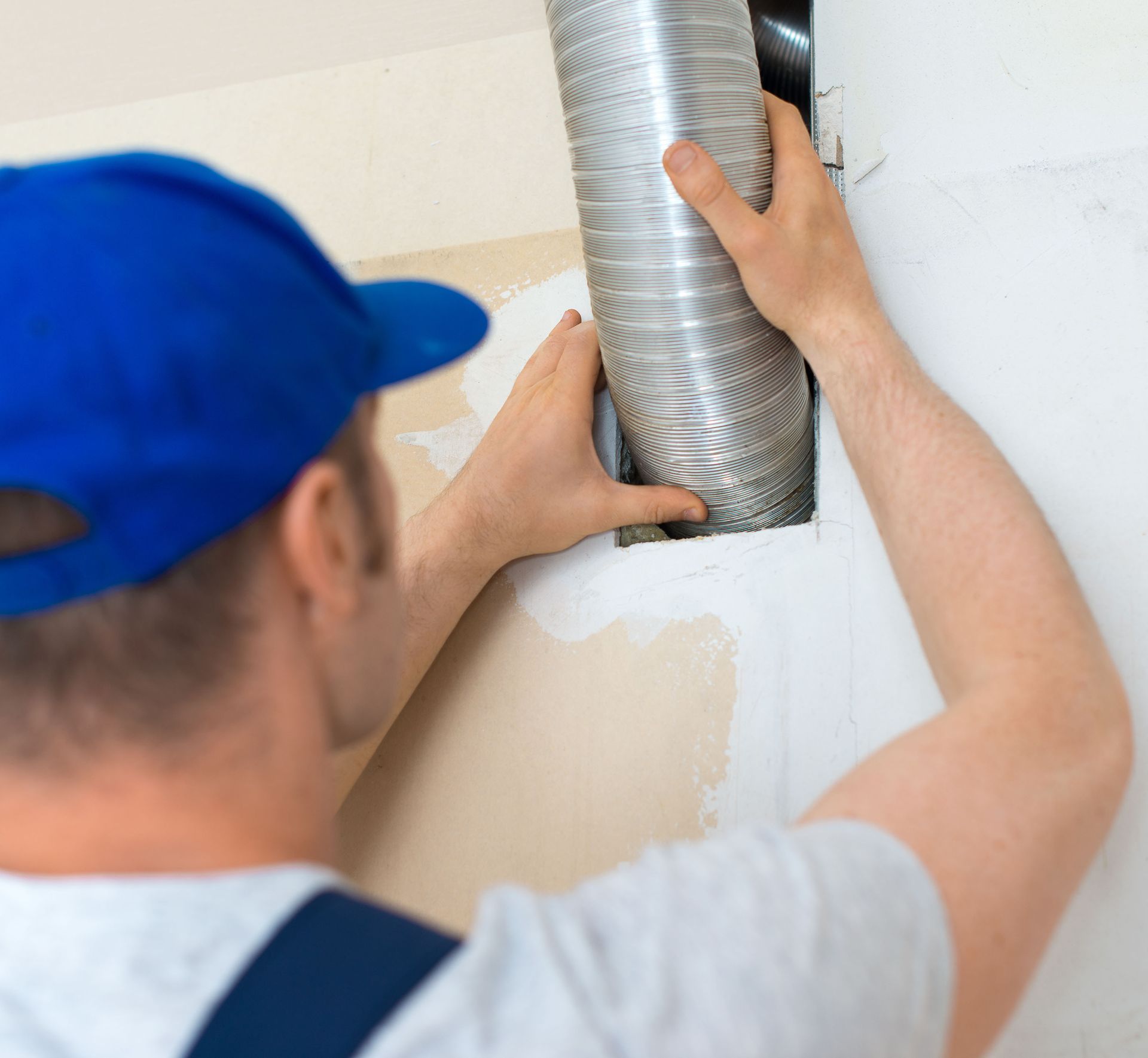
After bulk water extraction is complete, structural components like wooden studs, concrete subfloors, and drywall still retain a massive amount of deeply embedded moisture. To pull this trapped water out of porous building materials, technicians design a comprehensive thermodynamic drying strategy. This involves strategically placing high-velocity air movers across the affected zones to create continuous, turbulent airflow directly above saturated surfaces. This rapid airflow accelerates the natural evaporation process, turning bound liquid into airborne water vapor.
To prevent this newly evaporated moisture from simply settling back into other dry areas of the home, industrial refrigerant dehumidifiers are deployed in tandem with the air movers. These heavy-duty dehumidification units continuously pull damp air into their cooling coils, condensing the airborne water vapor into liquid water that is pumped safely down a drain. Maintaining this balanced, low-humidity environment is a core principle of effective water damage restoration, ensuring that structural elements dry thoroughly and evenly. This scientific approach to dehumidification prevents secondary structural warping and protects nearby wood trim from buckling.
Sanitizing Exposed Living Spaces
Water entering a home often carries various forms of microscopic dust, dissolved chemicals, and biological contaminants that pose health risks to occupants. Even clean water becomes rapidly contaminated after coming into contact with underlying building soils and old adhesives within wall cavities. Consequently, completely sanitizing all exposed surfaces is a vital step for restoring a healthy indoor environment. Technicians apply specialized, hospital-grade biocide washes to concrete floors, wooden framing, and non-porous surfaces to eliminate any lingering biological threats.
This meticulous sanitation phase extends beyond physical surfaces to encompass comprehensive indoor air purification as well. High-efficiency particulate air scrubbing units are operated continuously throughout the drying zone to capture airborne dust particles, mold spores, and unpleasant odors. Choosing a thorough sanitization protocol ensures that your home is not only structurally dry but also completely safe for children and pets to inhabit. This rigorous decontamination process is a vital component of professional water damage restoration, providing homeowners with total confidence in the long-term safety of their living environment.
Monitoring Structural Drying Progress
Achieving absolute dryness requires continuous observation and systematic data collection over several days following the initial water extraction. Porous building materials may feel completely dry to a casual touch on the outside while remaining dangerously saturated deep within their core structures. Technicians revisit the property daily to record precise atmospheric measurements, including relative humidity levels, temperature variables, and specific moisture content readings within individual wood and drywall assemblies. This continuous documentation creates a formal drying log that verifies the system is performing exactly as intended.
These daily metrics allow professionals to adjust the placement of air movers and dehumidifiers dynamically as the structural drying process progresses toward completion. Equipment is only removed once every monitored material reaches its pre-determined, healthy dry standard as specified by regional building guidelines. Relying on this data-driven monitoring phase prevents homeowners from prematurely stopping the drying process, which often leads to hidden, long-term decay. This careful oversight is an indispensable hallmark of high-quality water damage restoration, ensuring that structural integrity is fully verified before final cosmetic repairs begin.
Protecting a residential property from the destructive forces of an unexpected water breach demands an immediate commitment to rapid, professional mitigation steps. Attempting to manage a major moisture emergency with standard household tools introduces severe structural risks, hidden mold hazards, and potential financial liabilities that can easily be avoided. True property preservation requires specialized diagnostic instruments, high-capacity extraction machinery, and an unyielding dedication to scientific drying principles. We at Steamatic of Arkansas are fully prepared to provide the rapid response, advanced technology, and dependable mitigation craftsmanship needed to safeguard your home, ensuring your living environment is restored to a perfectly dry, safe, and healthy condition. Contact us today to learn more.