July 24, 2026
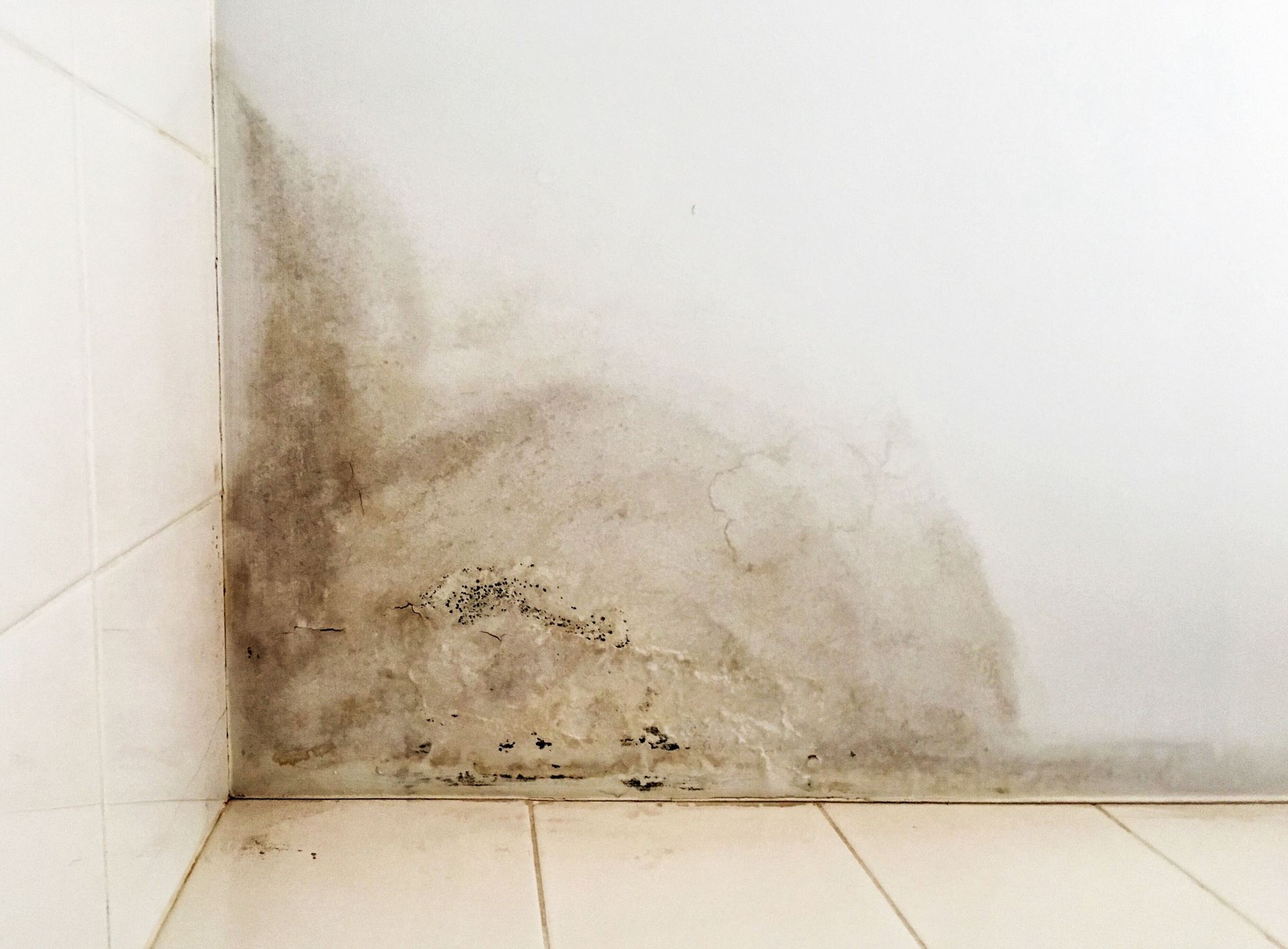
Mold can develop quietly behind walls, beneath flooring, inside ceilings, and throughout other concealed areas of a property. By the time visible signs appear, the problem may already be affecting building materials, indoor comfort, and overall air quality. Because mold thrives in damp environments, even a relatively small moisture issue can expand into a much larger concern if it is not addressed properly.
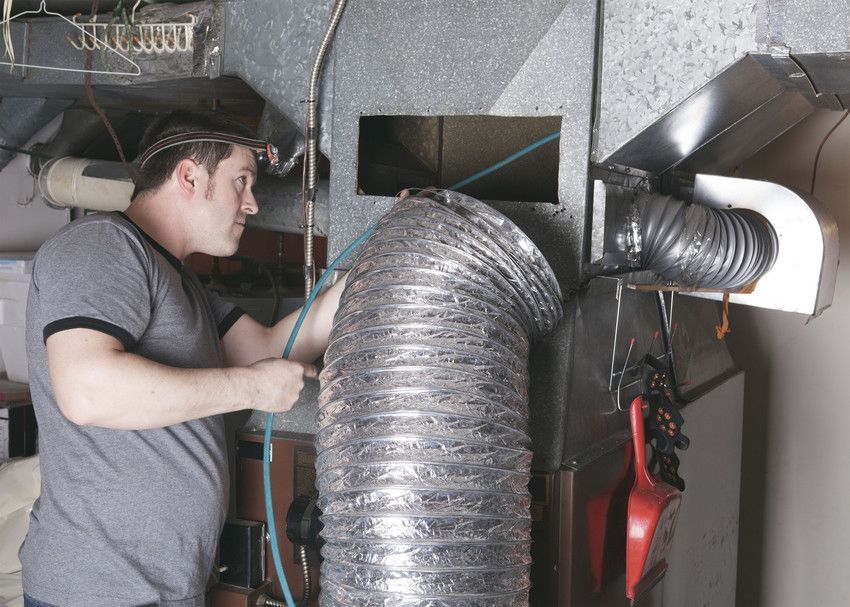
Professional mold remediation services provide far more than surface cleaning. Experienced specialists evaluate the source of the problem, contain affected areas, remove contaminated materials when necessary, and help restore healthier indoor conditions. Rather than treating only what is visible, comprehensive remediation focuses on correcting the underlying conditions that allow mold to spread.
Choosing qualified professionals early can reduce long-term property damage while helping preserve the integrity of the home or business. The following services represent some of the smartest investments property owners can make when mold becomes a concern.
1. Identifying Hidden Moisture Sources
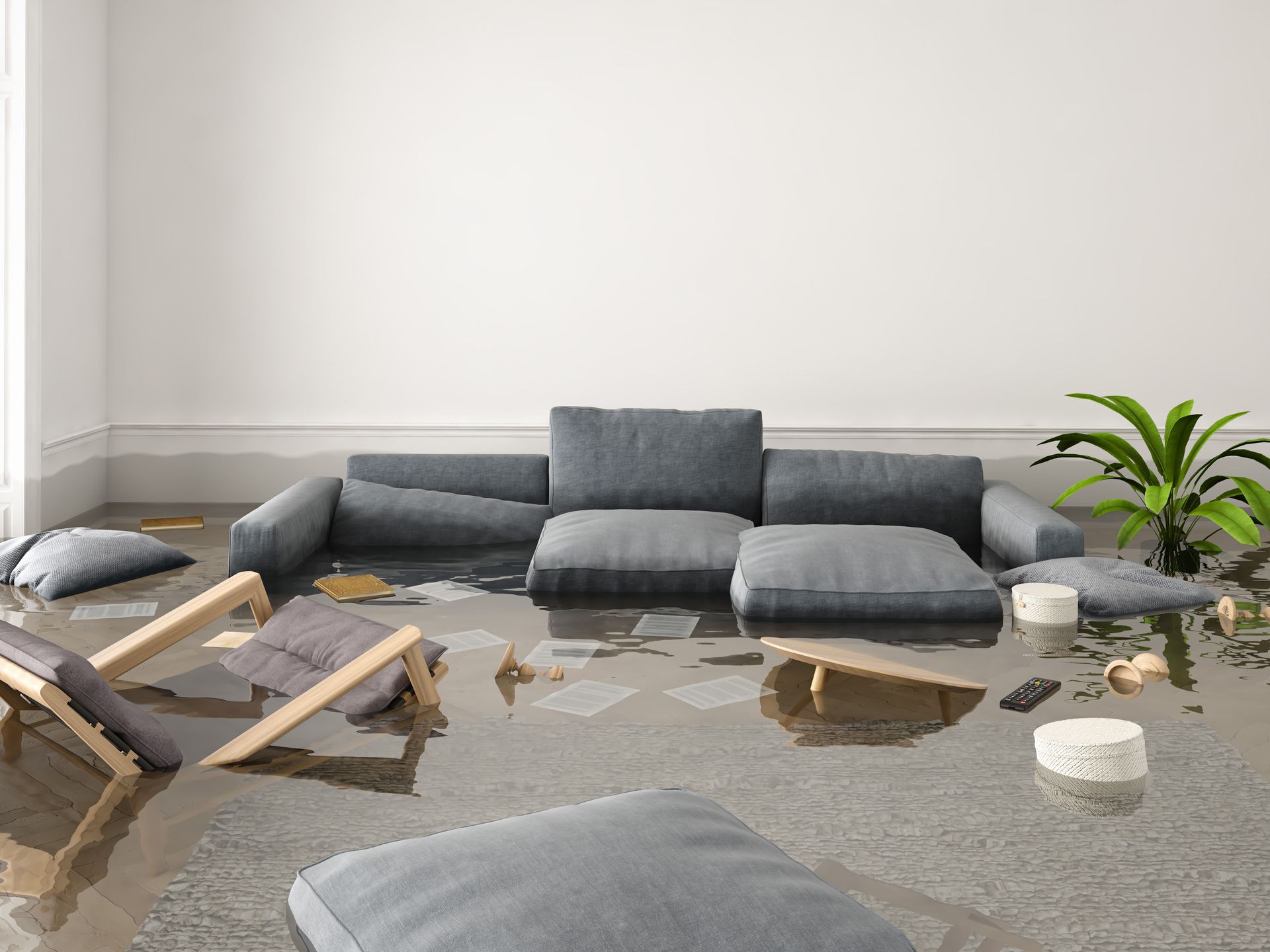
Successful restoration begins with understanding why mold developed in the first place. Moisture often enters buildings through roof leaks, plumbing failures, condensation, poor ventilation, or previous water damage that never fully dried. Unless these conditions are identified, mold can continue returning even after affected surfaces appear clean.
Professional inspections involve carefully evaluating the property to locate moisture that may not be immediately visible. Specialists examine vulnerable areas, assess building materials, and determine how water is moving through the structure. This thorough evaluation creates the foundation for an effective restoration strategy.
Quality mold remediation services focus on eliminating both the visible contamination and the environmental conditions supporting future growth. Addressing the moisture source first helps create a more dependable and lasting solution.
Rather than concentrating only on areas where mold is visible, experienced professionals take a comprehensive approach that targets the underlying cause of the problem. Leaks, excess humidity, poor ventilation, and lingering water intrusion are carefully evaluated because these conditions often allow mold to return if left unresolved.
2. Containing Affected Areas
One of the most important stages of professional remediation involves preventing mold from spreading into unaffected portions of the property. During restoration, disturbed spores can travel through the air and settle in other rooms if proper containment procedures are not established.
Professionals use specialized barriers and controlled work areas designed to isolate contamination while restoration is underway. These protective measures help minimize unnecessary exposure and reduce the possibility of cross-contamination throughout the building.
Containment also allows restoration work to proceed in a controlled environment where affected materials can be handled more safely and efficiently. Comprehensive mold remediation services place significant emphasis on this stage because proper containment supports every step that follows.
3. Removing Contaminated Materials
Some materials can be successfully cleaned, while others may require removal when contamination has become too extensive. Porous building components sometimes retain mold beneath the surface, making complete restoration difficult without replacement.
Experienced professionals evaluate each material individually before determining the most appropriate course of action. Their decisions are based on the condition of the affected surfaces, the extent of contamination, and the overall restoration plan.
Removing compromised materials helps eliminate active mold colonies while creating a healthier environment for rebuilding damaged areas. Professional mold remediation services ensure that removal is performed carefully, helping reduce unnecessary disruption while protecting surrounding portions of the property.
4. Improving Indoor Air Quality
Mold concerns extend beyond visible stains. Airborne spores can circulate throughout a structure, affecting indoor environments long after moisture problems begin. Improving indoor air quality is therefore an important objective during professional remediation.
According to the U.S. Environmental Protection Agency (EPA), controlling moisture and promptly addressing water damage is one of the most effective ways to prevent indoor mold growth and improve long-term indoor air quality. This guidance reinforces the importance of resolving moisture issues alongside the removal of existing contamination.
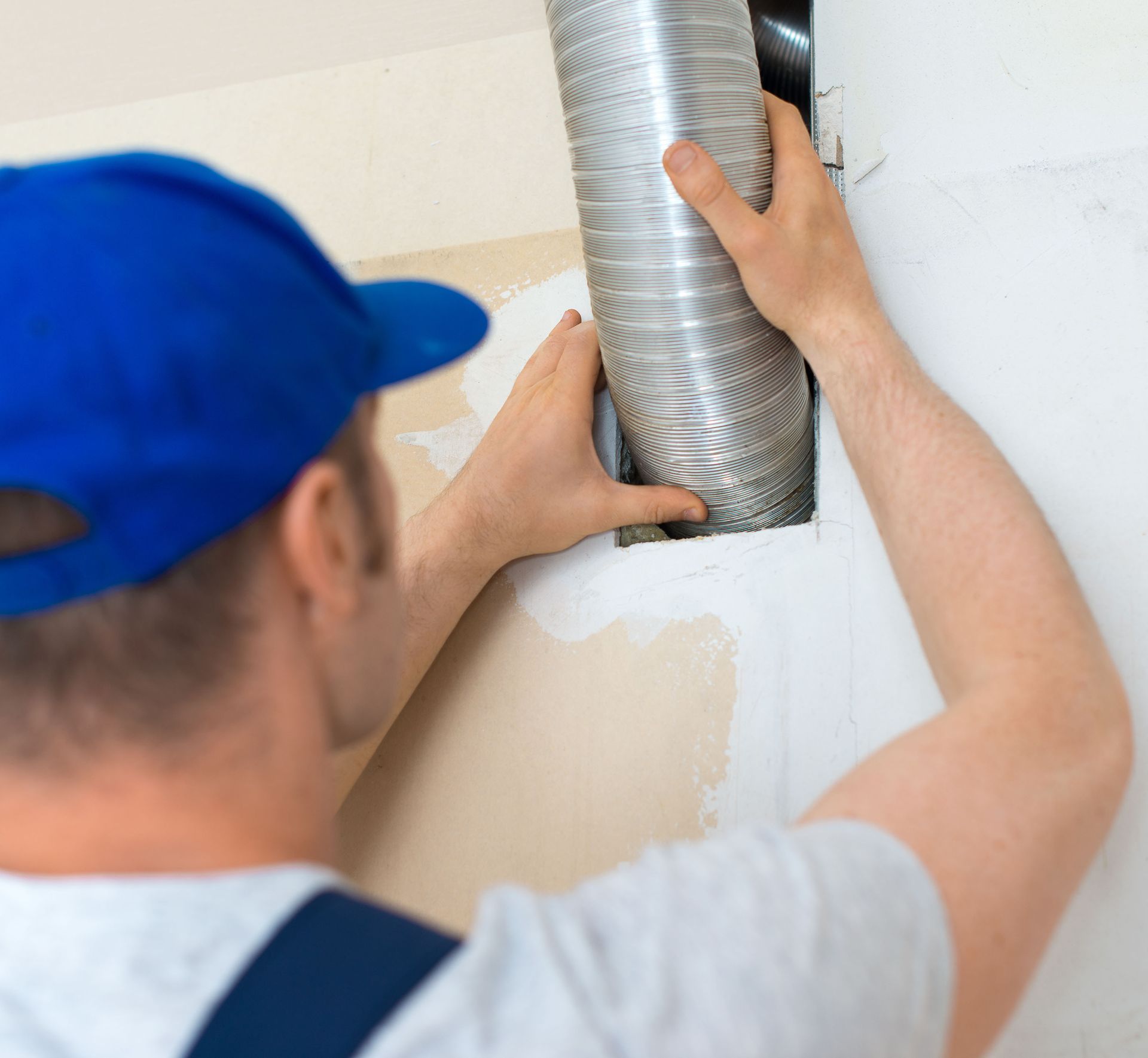
Professional restoration may include air filtration and thorough cleaning of affected spaces to help reduce airborne particles while the property is being restored. Comprehensive mold remediation services support healthier indoor environments by combining contamination removal with moisture control rather than treating only cosmetic concerns.
5. Restoring Damaged Building Components
Mold often affects more than finished surfaces. Drywall, insulation, trim, flooring, ceilings, and other structural elements may experience deterioration after prolonged moisture exposure. Restoring these components helps return the property to a safe and functional condition.
Professional restoration teams evaluate which materials remain structurally sound and which require replacement. Their objective is to restore both appearance and performance while ensuring that hidden moisture issues have been resolved before reconstruction begins.
Carefully coordinated restoration helps maintain the integrity of the building while reducing the likelihood of recurring problems. Reliable mold remediation services provide an organized approach that supports lasting improvements instead of temporary cosmetic repairs.
6. Preventing Future Mold Problems
Effective remediation should always include strategies that reduce the likelihood of future mold development. Eliminating existing contamination is only part of protecting a property over the long term.
Professionals often identify conditions that increase moisture accumulation, including inadequate ventilation, recurring plumbing concerns, drainage issues, or areas where condensation frequently develops. Addressing these contributing factors helps create an environment that is less favorable for mold growth.
Preventive recommendations are tailored to the property’s unique characteristics rather than relying on a universal approach. Professional mold remediation services help property owners better understand how ongoing maintenance and moisture management contribute to healthier indoor environments for years to come.
7. Supporting Long-Term Property Protection
Property owners naturally want confidence that restoration efforts will provide lasting value. Professional remediation supports that goal by combining careful assessment, systematic restoration, and attention to underlying environmental conditions instead of focusing only on visible damage.
Early intervention frequently limits the extent of deterioration affecting surrounding materials. When moisture problems are resolved promptly, building components often experience less prolonged exposure, helping preserve structural integrity while reducing the potential for additional restoration work later.
Professional documentation throughout the remediation process also provides valuable insight into the condition of the property. Clear records of inspections, findings, corrective actions, and completed restoration work can be helpful for future maintenance planning or when discussing repairs with insurance representatives if coverage applies.
Another important advantage involves the specialized knowledge professionals bring to each project. Every property presents different construction methods, moisture patterns, ventilation systems, and environmental conditions. Experienced teams understand how these factors interact and develop restoration strategies based on the specific circumstances rather than applying identical solutions everywhere.
Comprehensive restoration also promotes greater peace of mind for occupants. Knowing that hidden moisture sources have been identified, contaminated materials have been addressed appropriately, and preventive measures have been incorporated allows property owners to move forward with greater confidence in the condition of their home or commercial building.
Perhaps most importantly, professional remediation emphasizes complete solutions instead of temporary improvements. Surface cleaning alone rarely resolves underlying moisture concerns, and unresolved conditions can allow mold to return over time. A comprehensive approach helps protect both the property and the people who use it every day.
Mold problems should never be underestimated because they often extend beyond what is immediately visible. Addressing contamination promptly helps protect building materials, supports healthier indoor conditions, and reduces the likelihood of more extensive restoration needs in the future. Working with experienced professionals provides the knowledge, equipment, and systematic approach necessary to resolve both the symptoms and the underlying causes of mold growth.
If you are concerned about mold affecting your property, contact us at Steamatic of Arkansas to learn how our experienced team can provide dependable mold remediation services that help restore your property while protecting its long-term condition.