May 12, 2026
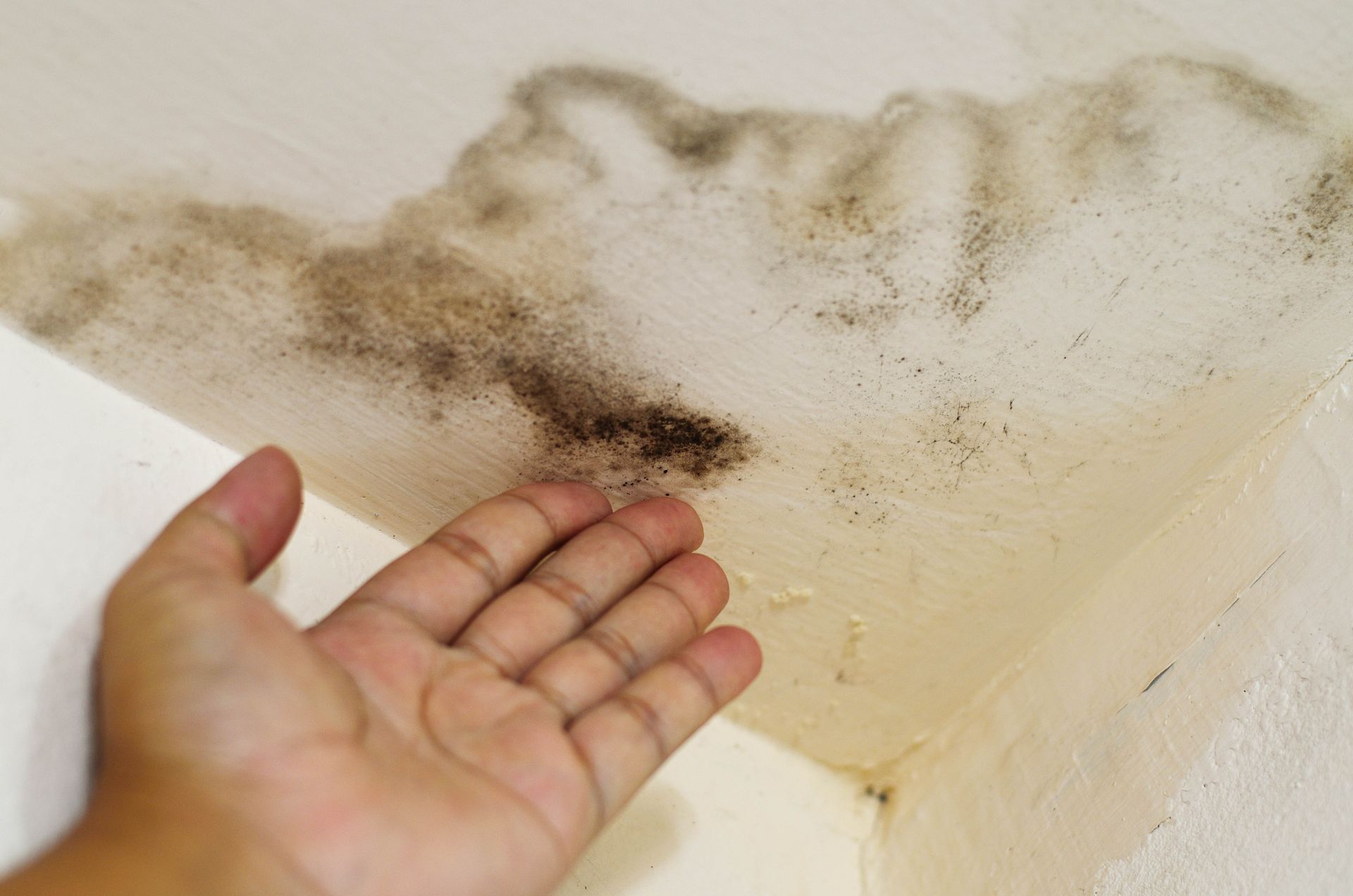
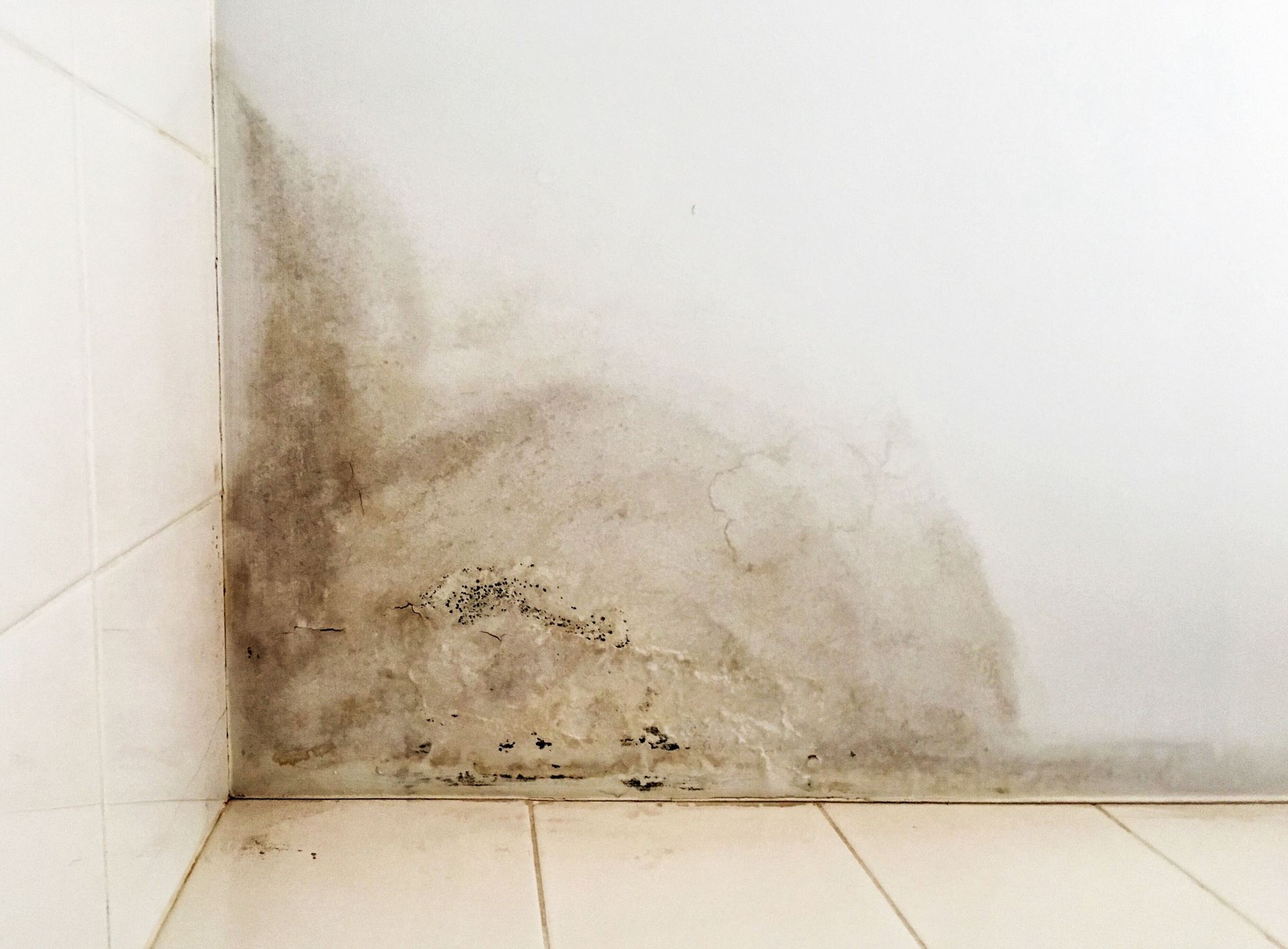
Recurring mold issues rarely come from a single cause. They usually form when moisture problems, poor airflow, and maintenance gaps persist, allowing mold to return even after surface cleaning, which is why a mold remediation company is often needed to address root sources rather than visible growth. In many properties, hidden leaks, inconsistent ventilation, and changing humidity levels create a cycle of regrowth. A mold remediation company helps identify these conditions to stop recurring outbreaks at the source.
1. Managing Airflow and Ventilating
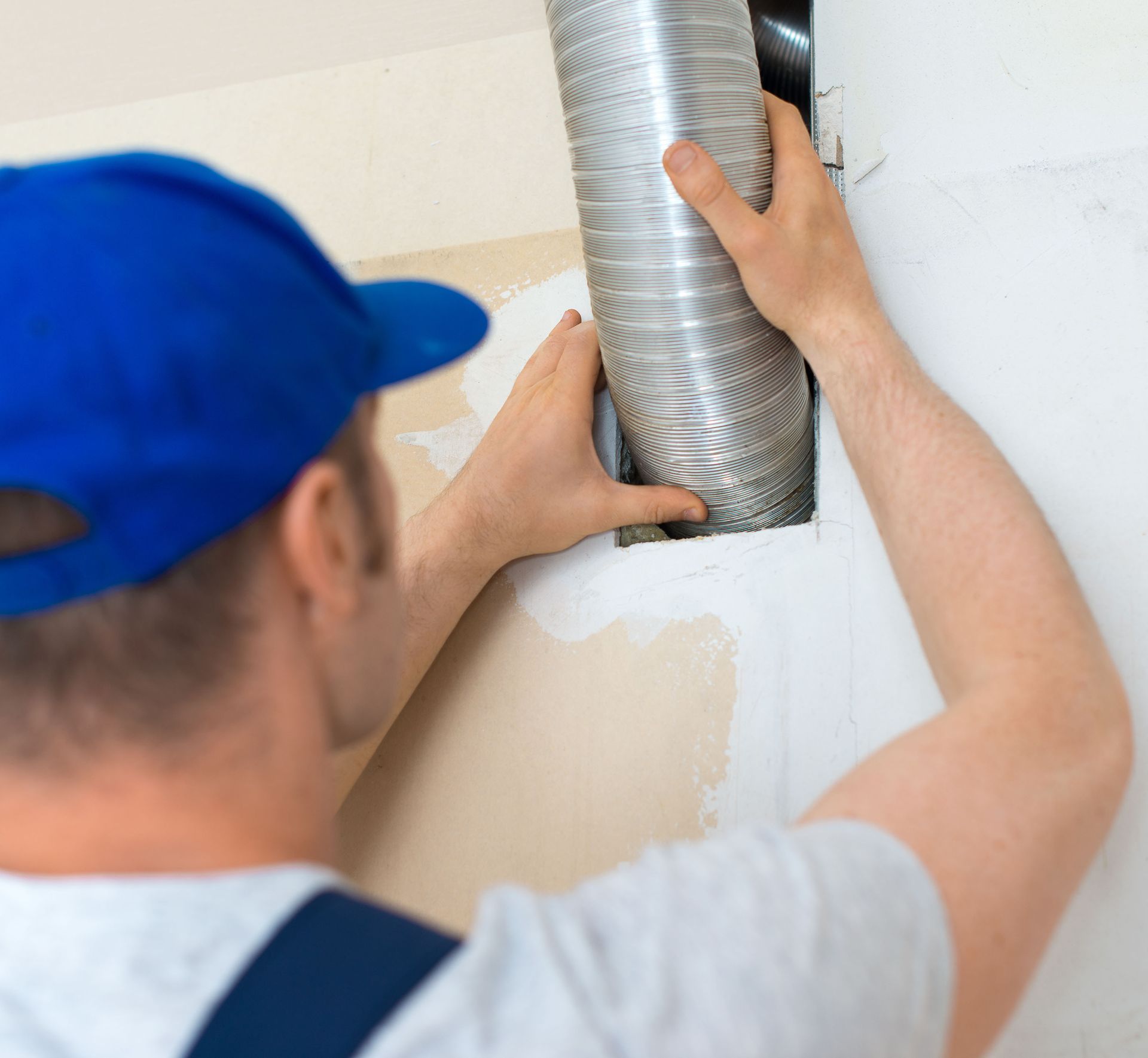
Airflow issues are one of the most common contributors to recurring mold because stagnant air traps moisture indoors. When ventilation is limited, humidity builds up in enclosed areas like bathrooms, kitchens, and basements. Over time, this moisture settles into porous surfaces and encourages mold growth. A mold remediation company often begins inspections by analyzing how air moves throughout a structure.
Blocked vents and poorly designed duct systems make the problem worse by restricting circulation. Even small obstructions can prevent proper moisture release, especially in high-use areas. Closed rooms that are rarely aired out also become problem zones where humidity quietly accumulates. Without consistent airflow, mold can continue spreading unnoticed behind walls or ceilings.
Exhaust systems are another critical factor. When fans are missing or not functioning correctly, moisture from daily activities has no escape path. This leads to repeated damp conditions that support mold regrowth even after cleaning. A mold remediation company typically recommends improving ventilation as a long-term prevention step rather than a temporary fix.
2. Controlling Humidity and Balancing
High indoor humidity is one of the strongest predictors of recurring mold because it creates constant moisture in the air. When humidity levels stay elevated, mold spores activate more easily and spread across surfaces. This is especially common in climates where moisture is already present in the environment. A mold remediation company often measures humidity levels to identify high-risk zones.
Dehumidifiers play an important role but are often underused or poorly maintained. In many homes, they are not sized correctly or are only used intermittently, which reduces their effectiveness. Seasonal changes also influence humidity, causing indoor moisture levels to fluctuate throughout the year. These shifts can trigger recurring mold growth if not properly managed.
According to HomeGuide, smaller mold removal projects generally take one to three days, while larger or more severe cases can extend up to a week depending on conditions. This reflects how quickly mold situations can escalate when humidity is not controlled early. A mold remediation company uses this type of timeline variability to emphasize how prevention reduces both disruption and cost.
3. Repairing Water Intrusion and Sealing
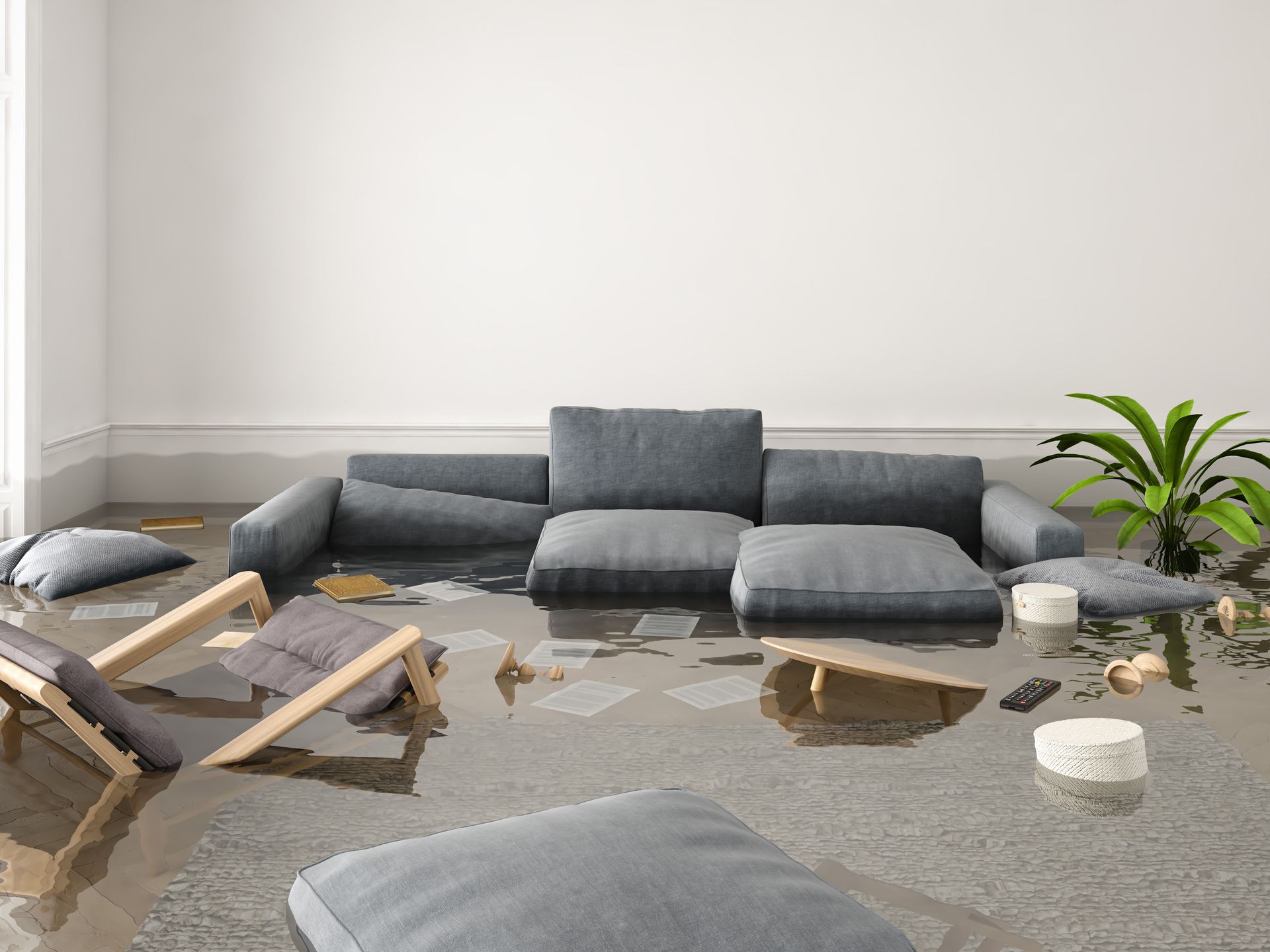
Water intrusion is one of the most direct causes of recurring mold because it introduces continuous moisture into building materials. Roof leaks, plumbing failures, and poorly sealed windows allow water to enter hidden spaces where mold thrives. Once moisture is trapped, it can spread behind walls and flooring. A mold remediation company often focuses heavily on identifying these hidden sources.
Even small plumbing leaks can lead to significant long-term damage. Slow drips inside walls or under fixtures may go unnoticed for months, allowing mold colonies to develop internally. These areas are difficult to dry without professional intervention, which is why recurrence is common when repairs are incomplete. Addressing only the visible damage rarely solves the full problem.
Basement seepage also contributes to repeated mold issues, especially in older structures. Groundwater pressure and poor drainage systems allow moisture to enter through foundation walls. Over time, this creates persistent dampness that is difficult to eliminate without structural improvements. A mold remediation company typically recommends both repair and waterproofing solutions to prevent recurrence.
4. Preventing Maintenance Issues and Inspecting
Poor maintenance practices are a major reason mold keeps returning in properties. When inspections are infrequent, small moisture problems often go unnoticed until they develop into larger issues. This allows mold to spread silently behind surfaces and within structural cavities. A mold remediation company frequently encounters cases where early detection could have prevented widespread contamination.
Routine cleaning also plays a key role in moisture control. Dust and organic debris can hold moisture, creating ideal conditions for mold spores to settle and grow. Areas behind appliances, furniture, and storage units are often overlooked during regular cleaning. These hidden spaces become recurring problem zones if not addressed consistently.
Minor repairs are another critical factor. Small leaks, worn seals, or clogged drainage systems may seem insignificant but can create ongoing moisture exposure. Over time, these issues compound and lead to repeated mold growth. A mold remediation company typically emphasizes that consistent maintenance is one of the strongest defenses against recurrence.
5. Designing Structures and Building Planning
Structural design influences how moisture behaves inside a building. Poor layouts, inadequate insulation, and moisture-retaining materials all contribute to recurring mold conditions. Flat roofs, for example, may allow water to pool if drainage is insufficient, increasing the risk of leaks. A mold remediation company often identifies design weaknesses during assessments.
Insulation quality also plays a major role. When insulation is insufficient or improperly installed, temperature differences create condensation inside walls and ceilings. This trapped moisture becomes a long-term source of mold growth. Limited sunlight exposure in certain areas can also prevent natural drying, which allows damp conditions to persist.
Material selection is another important consideration. Some construction materials absorb moisture more easily than others, making them vulnerable to repeated mold issues. Upgrading to moisture-resistant materials during renovations can significantly reduce recurrence risk. A mold remediation company often recommends these improvements as part of a long-term prevention strategy.
6. Responding to Environmental Triggers and Adjusting
External environmental conditions can strongly influence indoor mold behavior. Properties located near water bodies or in high-humidity regions naturally experience more moisture exposure. This creates ongoing challenges for maintaining stable indoor air conditions. A mold remediation company often tailors strategies based on local environmental factors.
Heavy rainfall and seasonal weather changes can also increase moisture intrusion risks. Water may accumulate around foundations or seep into weak structural points during prolonged wet periods. These cycles often lead to recurring mold if drainage systems are not effective. Indoor conditions may also shift rapidly as outdoor humidity levels rise and fall.
Vegetation around a property can further impact airflow and moisture retention. Dense landscaping may reduce ventilation and trap humidity near exterior walls. When combined with naturally humid climates, this creates conditions where mold can repeatedly return unless controlled. A mold remediation company typically considers both indoor and outdoor influences when assessing risk.
7. Selecting Materials and Upgrading
Material degradation over time increases vulnerability to recurring mold. Older building components often absorb more moisture, especially if they were not designed for modern humidity conditions. Once materials become saturated, they are difficult to fully dry, allowing mold to return repeatedly. A mold remediation company frequently recommends replacement in these cases.
Porous materials like drywall, wood, and insulation are particularly susceptible. Once mold penetrates these surfaces, it can spread internally even after cleaning. This is why remediation often involves removal rather than surface treatment alone. Upgrading to moisture-resistant alternatives reduces the likelihood of future outbreaks.
Modern construction materials are designed to limit moisture absorption and improve durability. Incorporating these upgrades during repairs or renovations can significantly improve long-term outcomes. A mold remediation company often works alongside contractors to ensure material choices support prevention rather than recurring problems.
Recurring mold problems usually stem from a mix of poor airflow, high humidity, water leaks, maintenance issues, design flaws, environmental exposure, and moisture-retaining materials. Surface cleaning alone often fails because hidden moisture continues to drive regrowth behind walls and other concealed areas. Long-term control requires fixing these root causes through proper repairs, ventilation improvements, and moisture management, which is why a mold remediation company is often necessary. For lasting mold prevention and professional remediation, contact Steamatic of Arkansas.