November 4, 2026
Air ducts can accumulate dust, pollen, and other contaminants that circulate through a property's HVAC system. Over time, this buildup may affect the cleanliness of the ventilation system and contribute to concerns about indoor air quality. Recognizing signs of buildup can help homeowners and property managers determine when professional cleaning may be appropriate. Visible dirt around vents, rapid dust accumulation on furniture, reduced airflow, and allergy flare-ups are among the signs that may warrant further attention.
However, these issues can have multiple causes, so an inspection may help clarify whether duct cleaning is an appropriate response. Understanding these indicators and the cleaning process can help property owners make informed decisions about maintaining their ventilation systems. Regular attention to the condition of the ductwork can also help identify when accumulated debris or other concerns need further evaluation.
1. Essential Air Duct Cleaning Basics
Recognize Signs of Dust Buildup
Visible dirt around vent openings and rapid dust accumulation on furniture may indicate that air duct cleaning is worth considering. Dust and other contaminants can collect within ventilation systems and circulate through a property. If these signs appear, air duct cleaners can inspect the system to help determine whether cleaning is appropriate.
Notice Unusual Odors
Unusual odors inside a property can have several causes, including contaminants or moisture-related concerns. Odors alone do not establish that air ducts need cleaning, but they may warrant further investigation. When mold is a concern, mold testing and remediation are separate services that may be appropriate. Identifying the source of an odor helps determine which cleaning or restoration service may address the problem.
Assess Indoor Air Quality Concerns
Indoor air quality concerns can arise from different sources, including dust and other contaminants circulating through a ventilation system. Air duct cleaners remove accumulated debris from inside the ductwork as part of the cleaning process. When concerns involve possible mold contamination, mold testing and indoor air quality testing may also be relevant. The appropriate next step depends on the specific conditions within the property.
Recognize Changes in Airflow
Reduced airflow is another sign that may prompt an inspection of the ventilation system. Dust and debris can accumulate inside ductwork, but airflow problems can have other causes as well. Air duct cleaners can assess visible buildup, while blockages or damage may require additional attention. Cleaning should not be treated as a solution to every HVAC problem.
2. Practical Air Duct Cleaning Steps
Clean Accessible Vent Covers
Homeowners can remove visible dust from accessible vent covers by cleaning the surfaces carefully according to the manufacturer's instructions. Avoid reaching deep into ductwork or using tools that could damage the system. Surface cleaning is not the same as cleaning the full ventilation system, which involves inspecting the ductwork and removing accumulated debris from inside it. Keeping vent covers free of visible dust can help maintain a cleaner appearance around the vents. Property owners should also pay attention to recurring dust buildup that returns soon after cleaning. If debris appears to extend beyond the accessible surfaces, a professional inspection can help determine whether the ductwork needs additional attention.
Understand Professional Cleaning Methods
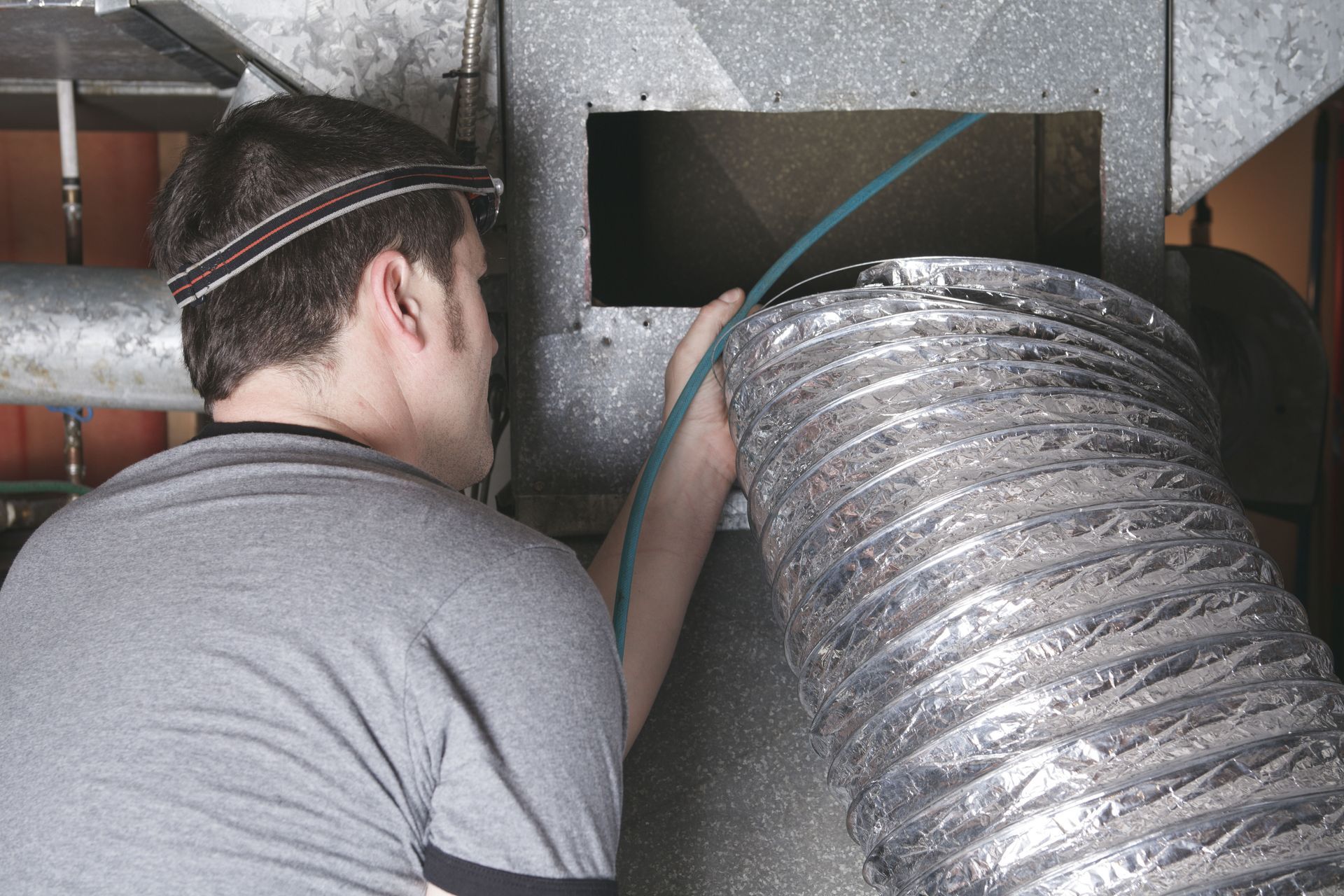
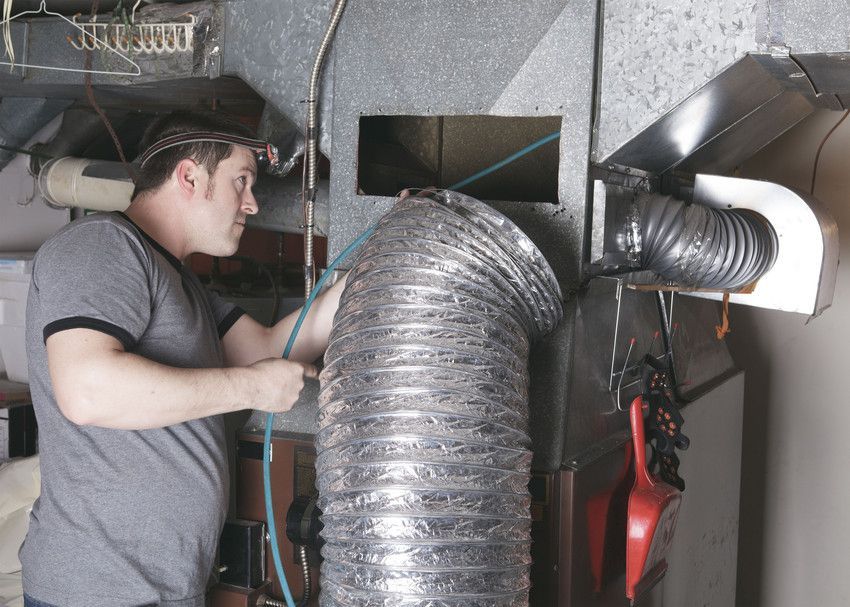
Professional air duct cleaning involves more than wiping down visible vent surfaces. The process described by the service provider includes video inspection, removal and hand washing of grilles and registers, agitation to loosen accumulated debris, and negative air pressure to extract the loosened material. These steps address buildup within the ventilation system rather than focusing exclusively on the areas visible from inside a room.
Schedule Cleaning When Needed
The appropriate cleaning schedule depends on the condition and needs of the individual ventilation system. Visible dirt or mold on vents, rapid dust accumulation on furniture, reduced airflow, and other signs of buildup may indicate that an inspection is appropriate. Factors such as pets, allergies, and recent renovations may also influence whether a property owner wants to assess the condition of the ductwork. Rather than relying exclusively on a fixed schedule, consider the system's condition and any changes within the property.
Recognize When Specialized Services May Help
Air duct cleaning may be appropriate when visible dirt, dust accumulation, or reduced airflow suggests buildup within the ventilation system. Other concerns may call for different services, such as mold testing and remediation for mold-related problems or odor removal and deodorization for unwanted smells. Air duct cleaners can help address ductwork buildup, while identifying the main concern helps property owners determine which additional service to discuss with a professional.
3. Valuable Air Duct Cleaning Benefits
Address Dust and Other Contaminants
Dust, pollen, and other contaminants can accumulate within air ducts and circulate through a property's ventilation system. Air duct cleaners remove this buildup from the ductwork as part of a process intended to support indoor air quality. When deciding whether cleaning is appropriate, consider visible dirt around vents, rapid dust accumulation, and other signs of contamination.
Support HVAC Airflow
Accumulated dirt and debris can affect the movement of air through a ventilation system. Professional cleaning uses agitation and negative air pressure to loosen and extract debris from the ductwork. This process is intended to support airflow and HVAC efficiency, although the outcome depends on the condition of the system and the cause of any airflow problem.
Consider Energy Efficiency
Air duct cleaning is intended to support HVAC efficiency by removing accumulated dirt and debris from the ventilation system. The effect on energy use depends on the condition of the ductwork and the system as a whole. Cleaning should not be treated as a guarantee of lower utility bills, and other HVAC concerns may require separate evaluation.
4. Important Air Duct Cleaning Considerations
Avoid Improper Cleaning Methods
Air duct cleaning involves more than removing dust from visible vent covers. The professional process includes inspecting the ductwork, removing and hand washing grilles and registers, agitating accumulated debris, and extracting it using negative air pressure. Homeowners who are unsure how to clean their system without causing damage can consult air duct cleaners rather than attempting work deep inside the ductwork.
Understand the Scope of Service
Before arranging air duct cleaning, clarify which parts of the ventilation system will be addressed and what the cleaning process includes. Questions about ductwork inspection, debris removal, HVAC component cleaning, and duct sealing can help establish the scope of the service. Understanding these steps helps property owners determine whether the service addresses their specific concerns.
Identify Additional Cleaning Needs
Air duct cleaning addresses accumulated dirt and debris within a property's ventilation system, but it is not a substitute for every cleaning or restoration service. Mold concerns may call for mold testing and remediation, while persistent unwanted odors may require deodorization. Identifying the issue before choosing a service helps ensure that duct cleaning is not mistaken for a solution to every indoor air quality or property concern.
Recognizing dust buildup, noticing changes in airflow, and understanding indoor air quality concerns can help property owners determine when air duct cleaning may be appropriate. According to Reed Intelligence, the global air duct cleaning service market is projected to grow at a CAGR of 6.10% between 2026 and 2034. An inspection can identify accumulated debris and clarify which cleaning methods may address the ventilation system's condition.
Steamatic of Arkansas offers residential and commercial air duct cleaning throughout Central Arkansas, including video inspection, debris removal, HVAC component cleaning, and duct sealing. Our services help property owners address ventilation system buildup and evaluate their cleaning needs. Learn more about our air duct cleaning services to explore options for maintaining your property's ventilation system.